---
description: "Key Wheat Production Challenges \r\nDifferent wheat markets face different combinations of weed, disease, insect, and establishment pressure. Correctly identifying the dominant problem is the first step toward building a more focused product portfolio. \r\nImportant wheat weed directions include wild oats, ryegrass, black-grass, brome grasses, chickweed, cleavers, mustards,"
title: Wheat Crop Protection Solutions and Pesticides - POMAIS Agriculture
image: https://www.pomais.com/wp-content/uploads/2025/02/Small-Grains-e1742377157185.webp
---
[Skip to content](#content)
16+ years professional one-stop agricultural plant protection solution provider
[](https://www.pomais.com/)
[Inquiry](#awb-oc__10593)
# Wheat Crop Protection Solutions
Wheat crop protection changes throughout the season. Seed-borne diseases and early insects matter before emergence, weeds compete during establishment and tillering, foliar diseases threaten the upper canopy, and heading-stage diseases can affect both grain yield and quality.
A suitable wheat program should therefore be built around the wheat type, crop stage, target weed, disease or pest, mode of action, resistance status, formulation, and destination-market registration rather than around one pesticide.
POMAIS supplies wheat herbicides, fungicides, insecticides, seed treatments, and selected crop-management products for importers, distributors, registration companies, wholesalers, and private-label brands.
We also support commercial projects with formulation options, packaging, multilingual labels, technical documentation, quality control, and export preparation.
Wheat [info@sunagros.com](https://www.pomais.com/author/infosunagros-com/)2026-10-23T08:46:16+00:00
## Key Wheat Production Challenges
Different wheat markets face different combinations of weed, disease, insect, and establishment pressure. Correctly identifying the dominant problem is the first step toward building a more focused product portfolio.
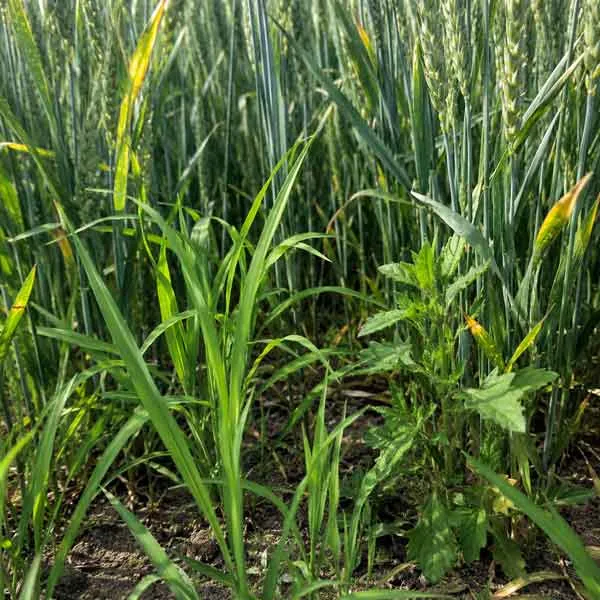
### Weed Pressure
Important wheat weed directions include wild oats, ryegrass, black-grass, brome grasses, chickweed, cleavers, mustards, kochia, and other locally important grass or broadleaf weeds.
The commercial herbicide direction depends on weed species, weed growth stage, wheat stage, crop selectivity, previous herbicide use, and resistance status.
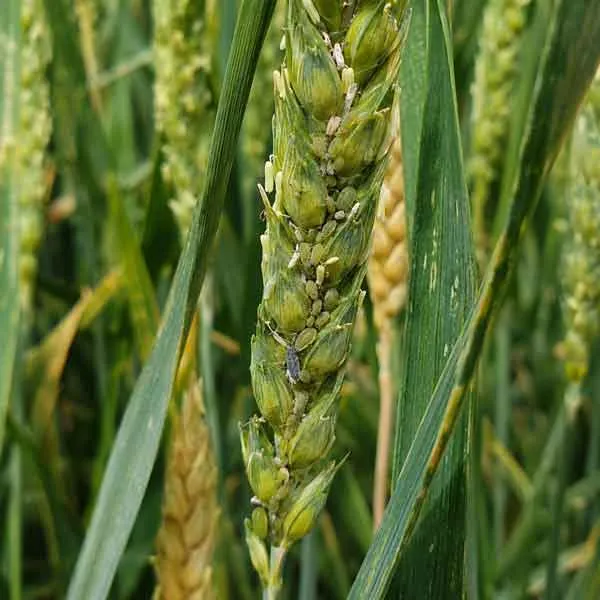
### Disease Pressure
Wheat disease programs may need to address rusts, Septoria and other leaf blotches, powdery mildew, Fusarium head blight, seed-borne diseases, and seedling disease complexes.
Disease identification and crop stage are especially important because a planting-stage seed treatment and a heading-stage fungicide have very different roles.
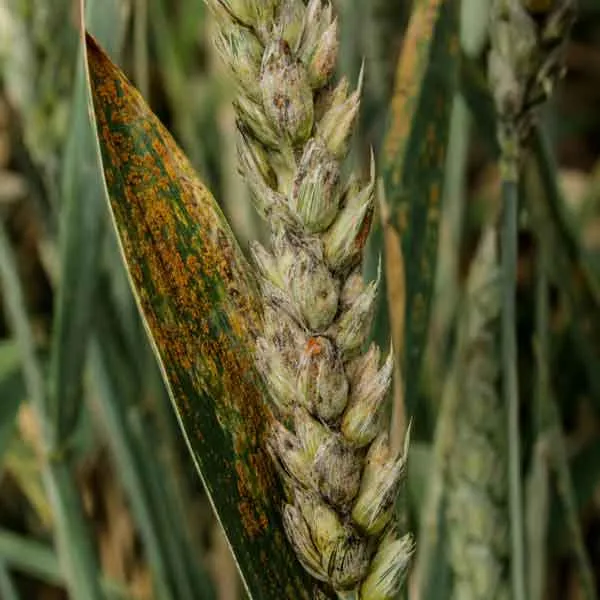
### Insect Pressure
Aphids, armyworms, cutworms, wireworms, and other locally important cereal pests can occur at different stages of wheat development.
Product selection should consider pest species, life stage, population pressure, beneficial insects, IRAC mode of action, and local resistance history.
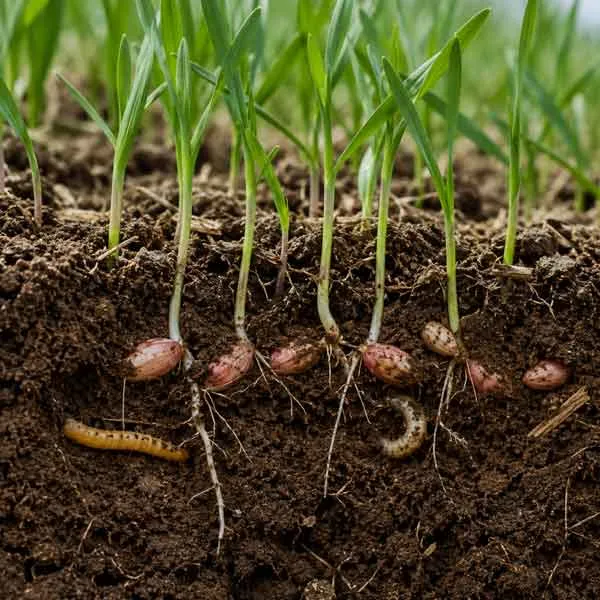
### Seed and Establishment Pressure
Wheat protection begins before foliar spraying.
Seed-borne fungal diseases, bunt and smut directions, Fusarium, Rhizoctonia, early sucking pests, and selected soil pests can influence stand establishment before later-season crop protection begins.
## Wheat Production System Changes Product Priorities
Not every wheat market should use the same crop-protection portfolio.

### Winter Wheat
Winter wheat has a relatively long crop cycle.
Depending on the region, the crop may face autumn weed emergence, early aphid or virus-vector pressure, overwintering disease inoculum, spring weed competition, and later foliar or head diseases.
A winter-wheat portfolio therefore often needs clearly differentiated products for planting, autumn or spring weed management, foliar disease, and reproductive-stage protection.

### Spring Wheat
Spring wheat develops within a shorter seasonal window.
Weed growth, crop development, insect pressure, and disease progression can occur rapidly, so scouting and application timing can become especially important.
For markets such as Central Asia and other spring-wheat regions, the commercial portfolio should match the locally important grass and broadleaf weeds, foliar disease complex, seed-treatment requirement, and short crop calendar.

### Durum Wheat
Durum wheat programs can share many pest, disease, and weed challenges with other wheat types, but crop tolerance, product registration, and grain-quality requirements should be confirmed separately.
A product registered for common wheat should not automatically be positioned for durum wheat without checking the local label.
## Browse Wheat Protection Directions
Use the main biological problem to narrow the appropriate product category.

### Wheat Weed Management
Wheat herbicide programs can target grass weeds, broadleaf weeds, or mixed weed populations. Selection should consider pre- or post-emergence timing, crop selectivity, safener requirements where relevant, HRAC mode of action, and local resistance status.

### Wheat Disease Management
Disease-management programs can include seed treatment, early foliar protection, flag-leaf protection, and heading-stage disease management. Important directions include rusts, Septoria, powdery mildew, Fusarium head blight, bunt, smut, and other locally registered cereal diseases.

### Wheat Insect Management
Insecticide programs can target aphids and other sap-feeding pests, caterpillars, cutworms, wireworms, and other cereal insects. Pest life stage and IRAC group should be considered before selecting a product direction.

### Wheat Seed and Early-Stage Protection
Seed-treatment products can combine fungicidal, insecticidal, or dual-purpose protection. Their role is to protect treated seed and young plants during the period before the main field protection program begins.
## Wheat Crop Stage Protection Program
Protection priorities change as wheat develops. The following framework is intended for commercial product planning rather than as a universal application schedule.

### Seed & Pre-Sowing

### Emergence & Seedling

### Tillering

### Stem Elongation & Flag Leaf

### Heading & Flowering

### Grain Fill & Pre-Harvest
| Wheat Stage | Main Protection Direction | Product Selection Focus |
| --- | --- | --- |
| Seed & Pre-Sowing | Seed disease, soil/early pests, initial weed strategy | Seed treatment, residual strategy, registration |
| Emergence & Seedling | Stand establishment, aphids, early weeds | Crop safety, pest identification, seedling health |
| Tillering | Grass and broadleaf weeds, aphids, early foliar disease | Herbicide timing, insect pressure, disease scouting |
| Stem Elongation & Flag Leaf | Rusts, Septoria, powdery mildew, insects | Upper-canopy protection and MoA selection |
| Heading & Flowering | Fusarium head blight, head disease, selected insects | Timing, disease risk, grain-quality protection |
| Grain Fill & Pre-Harvest | Late disease/pest pressure, residue restrictions | PHI, MRLs, label compliance |
## Wheat Pest Control Solutions | Tailored Insecticide Programs for Wheat Fields
Insect pests are a major threat to wheat crops throughout their growth cycle. From seedling to maturity, various pests can compromise plant vigor, transmit viruses, and significantly reduce yields. At **POMAIS Agriculture**, we provide targeted, effective, and scalable solutions to help you control key wheat pests—ensuring healthy development and maximum productivity.
### Wheat Growth Stage vs. Insect Threats & Recommended Insecticides
> If pests in your area are resistant to a single insecticide, we recommend using a mix!
| **Wheat Growth Stage** | **Common Insect Pests** | **Damage Symptoms** | **Recommended Insecticides** |
| --- | --- | --- | --- |
| **Germination & Seedling** | – Aphids
– Wireworms
– Root lesion nematodes | – Stunted seedlings
– Wilting or poor emergence
– Root damage | – [Thiamethoxam](https://www.pomais.com/product/thiamethoxam-35fs/)
– [Imidacloprid](https://www.pomais.com/product/imidacloprid-600g-l-fs/)
– Carbofuran
– [Fosthiazate](https://www.pomais.com/product/fosthiazate-30-cs-insecticide/) |
| **Tillering (Feekes 2–3)** | – Aphids
– Cutworms
– Armyworms (early stage) | – Leaf curling
– Leaf notching
– Stem cutting at ground level | – [Lambda-cyhalothrin](https://www.pomais.com/product/lambda-cyhalothrin-insecticide/)
– [Thiamethoxam](https://www.pomais.com/product/thiamethoxam/)
– Alpha-cypermethrin |
| **Stem Elongation (Feekes 4–5)** | – Aphids
– Armyworms
– Grasshoppers | – Leaf damage
– Defoliation
– Nutrient loss and reduced vigor | – [Chlorpyrifos](https://www.pomais.com/product/chlorpyrifos-48ec/)
– [Emamectin benzoate](https://www.pomais.com/product/emamectin-benzoate/)
– Beta-cyfluthrin |
| **Flag Leaf to Booting (Feekes 6–9)** | – Aphids
– Armyworms (late instar)
– Mites | – Leaf chlorosis
– Feeding on flag leaf
– Transmission of viruses | – [Imidacloprid](https://www.pomais.com/product/imidacloprid-insecticide/)
– [Abamectin](https://www.pomais.com/product/abamectin-insecticide/)
– [Bifenthrin](https://www.pomais.com/product/bifenthrin/) |
| **Heading to Flowering (Feekes 10–10.5)** | – Aphids
– Grasshoppers
– Wheat stem maggot | – Spikelet damage
– Malformed heads
– Incomplete grain set | – Beta-cyfluthrin
– [Deltamethrin](https://www.pomais.com/product/deltamethrin-25g-l-ec50g-l-ec25g-l-sc/)
– [Thiamethoxam](https://www.pomais.com/product/thiamethoxam/) |
| **Grain Fill to Maturity (Feekes 11–11.4)** | – Grasshoppers
– Aphids (residual populations) | – Sap loss
– Incomplete grain filling
– Dry matter loss | – [Lambda-cyhalothrin](https://www.pomais.com/product/lambda-cyhalothrin-insecticide/)
– [Imidacloprid](https://www.pomais.com/product/imidacloprid-insecticide/) (low residue formulations) |
### Notes:
- Insect pressure varies with region, variety, and climatic conditions. Field scouting is recommended every 7–10 days during critical growth stages.
- Consider using **systemic seed treatments** for early-stage protection and **foliar sprays** during tillering to heading stages.
- Rotate active ingredients with different modes of action to avoid resistance development.
## **Wheat Insect Control by Growth Stage**
#### **1. Germination & Seedling Stage**
- **Common Insect Pests**: Aphids, Wireworms, Root lesion nematodes
- **Damage Symptoms**: Seedlings may fail to emerge uniformly or appear weak and stunted. Wireworms feed on underground stems and roots, while nematodes impair root development, reducing water and nutrient uptake.
- **Recommended Insecticides**: Use **[Thiamethoxam](https://www.pomais.com/product/thiamethoxam/)** or **[Imidacloprid](https://www.pomais.com/product/imidacloprid-600g-l-fs/)** as seed treatments for early-stage protection. For nematodes, apply **Carbofuran** or **Fosthiazate** to the soil.
#### **2. Tillering Stage (Feekes 2–3)**
- **Common Insect Pests**: Aphids, Cutworms, Early-stage Armyworms
- **Damage Symptoms**: Leaves may curl or show bite marks. Cutworms often sever the stem near the soil surface, causing wilting or death of tillers.
- **Recommended Insecticides**: Apply **[Lambda-cyhalothrin](https://www.pomais.com/product/lambda-cyhalothrin-insecticide/)** or [**Thiamethoxam**](https://www.pomais.com/product/thiamethoxam/) during cool hours (early morning or evening). Use **Alpha-cypermethrin** in areas with heavy cutworm pressure.
#### **3. Stem Elongation Stage (Feekes 4–5)**
- **Common Insect Pests**: Aphids, Armyworms, Grasshoppers
- **Damage Symptoms**: Intense feeding reduces the leaf area and photosynthesis. Armyworms and grasshoppers may cause significant defoliation and plant stunting.
- **Recommended Insecticides**: Use **Chlorpyrifos** or [**Emamectin benzoate**](https://www.pomais.com/product/emamectin-benzoate/) for fast control. **Beta-cyfluthrin** is effective against chewing pests like grasshoppers.
#### **4. Flag Leaf to Booting Stage (Feekes 6–9)**
- **Common Insect Pests**: Aphids, Late-stage Armyworms, Mites
- **Damage Symptoms**: Feeding on the flag leaf reduces grain-filling efficiency. Aphids may also transmit **Barley Yellow Dwarf Virus (BYDV)**.
- **Recommended Insecticides**: Apply systemic products such as **[Imidacloprid](https://www.pomais.com/product/imidacloprid-insecticide/)** or **[Abamectin](https://www.pomais.com/product/abamectin-insecticide/)**. If mites are present, use **[Bifenthrin](https://www.pomais.com/product/bifenthrin/)** for effective control.
#### **5. Heading to Flowering Stage (Feekes 10–10.5)**
- **Common Insect Pests**: Aphids, Grasshoppers, Wheat Stem Maggot
- **Damage Symptoms**: Pests feeding on spikelets may cause malformed heads, poor pollination, or reduced kernel set.
- **Recommended Insecticides**: Use **Beta-cyfluthrin** or **[Deltamethrin](https://www.pomais.com/product/deltamethrin-25g-l-ec50g-l-ec25g-l-sc/)** for head-feeding insects. For continuing aphid pressure, combine with **[Thiamethoxam](https://www.pomais.com/product/thiamethoxam/)**.
#### **6. Grain Fill to Maturity Stage (Feekes 11–11.4)**
- **Common Insect Pests**: Grasshoppers, Residual Aphids
- **Damage Symptoms**: Late-season feeding can result in sap loss, incomplete grain fill, or reduced test weight. Grasshoppers may also damage grain heads.
- **Recommended Insecticides**: Use **[Lambda-cyhalothrin](https://www.pomais.com/product/lambda-cyhalothrin-insecticide/)** or low-residue **[Imidacloprid](https://www.pomais.com/product/imidacloprid-insecticide/)** formulations to protect yield without compromising harvest quality.
## Pests
#### Aphids
Sap-feeding complexes that also vector Barley Yellow Dwarf Virus (BYDV). Pressure builds in mild, dry weather and typically starts on field edges and volunteer cereals; honeydew and sooty mold follow. IPM focus: manage grassy hosts, preserve natural enemies, and act on thresholds with systemic aphicides; rotate modes of action and use seed treatments in high-risk autumn sowings.
#### Armyworms
Nocturnal foliage feeders that strip leaves, clip flag leaves, and can chew through peduncles. Outbreaks follow lush growth after rain and warm nights. Scout at dusk for early instars; biologicals (e.g., Bt/NPV) and timely interventions outperform late sprays. Keep spray coverage low in the canopy and rotate chemistries to manage resistance.
#### Bird Cherry-Oat Aphid
Primary BYDV vector in cool seasons. Colonizes leaf sheaths and whorls early, often unnoticed until virus symptoms appear. Reduce edge hosts, monitor winged flights, and protect seedlings; seed treatments and selective, systemic aphicides are justified where fall infections drive yield loss.
#### Black Grass Bug
Mirid bugs that puncture leaves and developing heads, leaving silvery/whitened streaks and localized stunting. Typically an edge and rangeland interface issue in drier zones. Prioritize habitat and border management; consider targeted border sprays only when economic injury levels are met.
#### Corn Leaf Aphid
A maize specialist that migrates through small grains; on wheat/barley it is mainly a transient that adds virus risk more than direct loss. Track migration from adjacent corn and focus on BYDV risk reduction; field-wide treatments are rarely required unless dense colonies persist on heads.
#### English Grain Aphid
Head and flag-leaf feeder from heading through milk. Reduces thousand-kernel weight and compromises grain fill. Monitor head colonies and protect the flag leaf; if thresholds are exceeded, use fast-acting, short-PHI options and maintain beneficials by avoiding broad-spectrum overuse.
#### Grasshoppers
Edge invaders in hot, dry years; chew leaves and stems and thin stands, especially in seedling cereals. Use rangeland/field-margin management, barrier or border treatments where appropriate, and coordinate area-wide suppression to avoid reinfestation.
#### Greenbug
Injects toxin-like saliva causing rapid chlorosis and necrotic spotting that expands quickly. Warm, dry conditions favor explosive increases. Respond rapidly with systemic aphicides, rotate modes, and conserve predators/parasitoids to prolong control.
#### Mites
Includes brown wheat mite, spider mites, and the wheat curl mite (vector of Wheat Streak Mosaic Virus). Symptoms range from stippling and bronzing to leaf rolling and viral mosaics; dust and drought intensify pressure. Manage volunteer hosts and dust, use irrigation to relieve stress where possible, and apply targeted miticides when thresholds are met; avoid flaring mites with non-selective insecticides.
#### Range Crane Fly
“Leatherjacket” larvae feed on roots and crowns, weakening tillers and creating gaps. Favored by cool, wet autumns, heavy residue, and poor drainage. Emphasize drainage, residue and grazing management, and consider seed/soil treatments in chronic fields based on larval counts.
#### Rose-Grain Aphid
Common in spring on upper leaves and heads; moderate virus vector. Scout during stem elongation to heading, especially along edges. Manage as per the aphid program: thresholds, systemic selectives, and natural enemy conservation.
#### Russian Wheat Aphid
Low-threshold pest with distinctive rolled leaves and white longitudinal streaks; stunting and head loss follow. Pressure spikes in dry, monocropped systems. Deploy resistant varieties where available, remove volunteer bridges, and act early with systemic aphicides; rotate modes to slow resistance.
#### Stink Bugs
Head-feeding complexes that puncture kernels from heading to milk, causing shriveled grain and quality downgrades. Risk peaks at field margins and grassy interfaces. Time quick-acting, short-PHI treatments to protect grain fill and reinforce edge management.
#### Wheat Stem Maggot
Larvae bore stems; the hallmark is “white heads” that pull easily due to severed vascular flow. Curative options post-symptom are limited. Focus on prevention—clean stubble, balance fertility, optimize planting date—and consider seed treatments in historically infested fields.
#### Wireworms
Click-beetle larvae that attack seeds and seedlings, creating skips and uneven stands, especially after sod or pasture. Use bait-trap monitoring pre-plant to gauge risk, lean on seed treatments for stand protection, and rotate crops/tillage to reduce multi-year buildup.
## Wheat Insecticide
[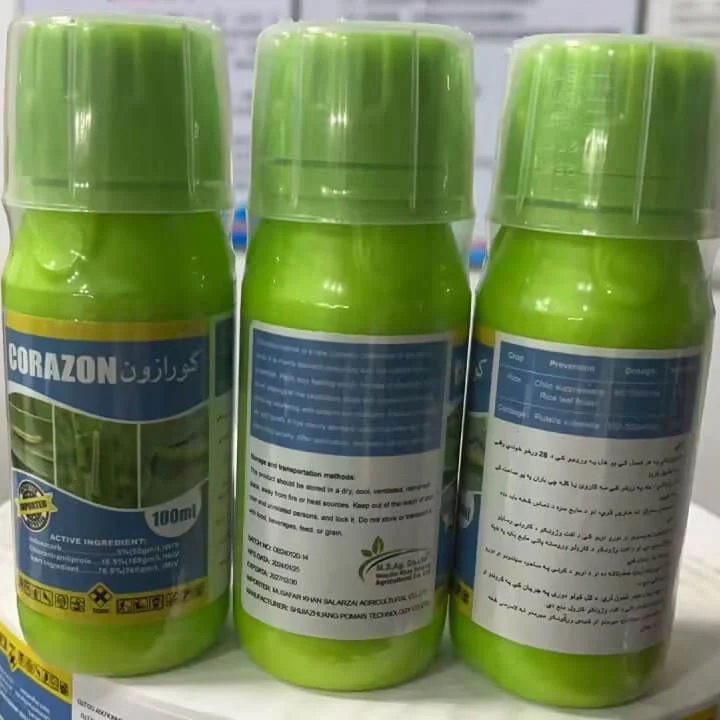](https://www.pomais.com/product/chlorantraniliprole-9-3-indoxacarb-4-63-zc-insecticide/)
[Chlorantraniliprole 9.3% + Indoxacarb 4.63% ZC Insecticide](https://www.pomais.com/product/chlorantraniliprole-9-3-indoxacarb-4-63-zc-insecticide/)
[Chlorantraniliprole 9.3% + Indoxacarb 4.63% ZC Insecticide](https://www.pomais.com/product/chlorantraniliprole-9-3-indoxacarb-4-63-zc-insecticide/)
[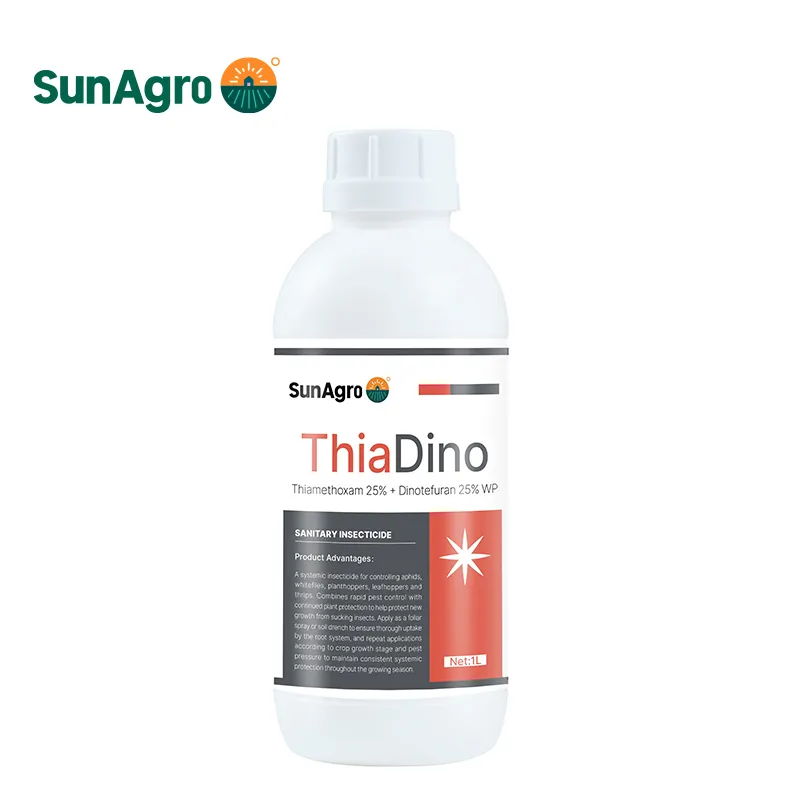](https://www.pomais.com/product/thiamethoxam-25-dinotefuran-25-wp-public-health-pest-control/)
[Thiamethoxam 25% + Dinotefuran 25% WP | Public Health Pest Control](https://www.pomais.com/product/thiamethoxam-25-dinotefuran-25-wp-public-health-pest-control/)
[Thiamethoxam 25% + Dinotefuran 25% WP | Public Health Pest Control](https://www.pomais.com/product/thiamethoxam-25-dinotefuran-25-wp-public-health-pest-control/)
[](https://www.pomais.com/product/acetamiprid/)
[Acetamiprid Insecticide](https://www.pomais.com/product/acetamiprid/)
[Acetamiprid Insecticide](https://www.pomais.com/product/acetamiprid/)
[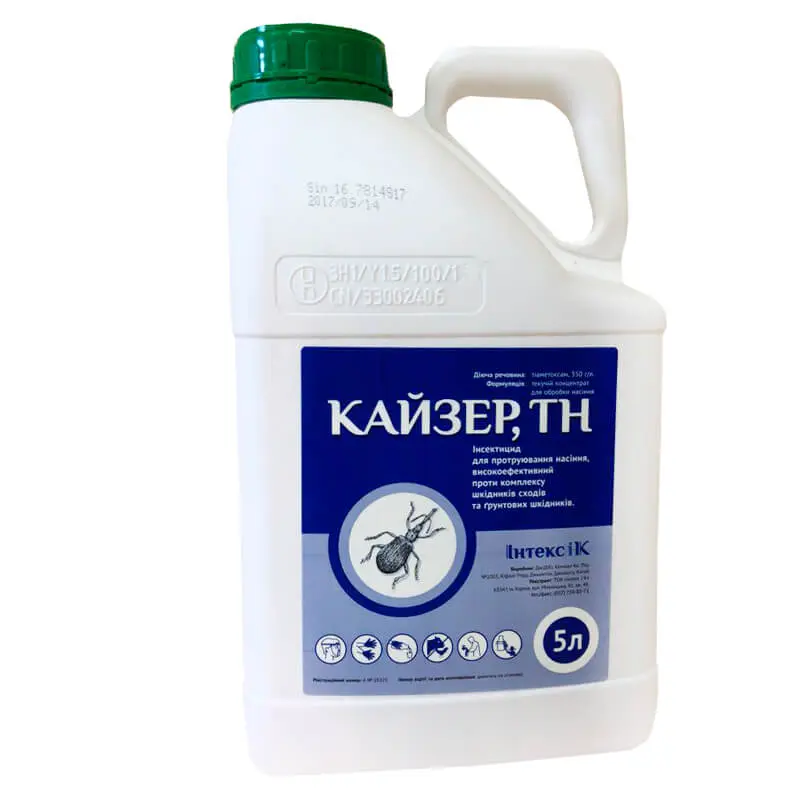](https://www.pomais.com/product/thiamethoxam/)
[Thiamethoxam Insecticide 25%WDG](https://www.pomais.com/product/thiamethoxam/)
[Thiamethoxam Insecticide 25%WDG](https://www.pomais.com/product/thiamethoxam/)
[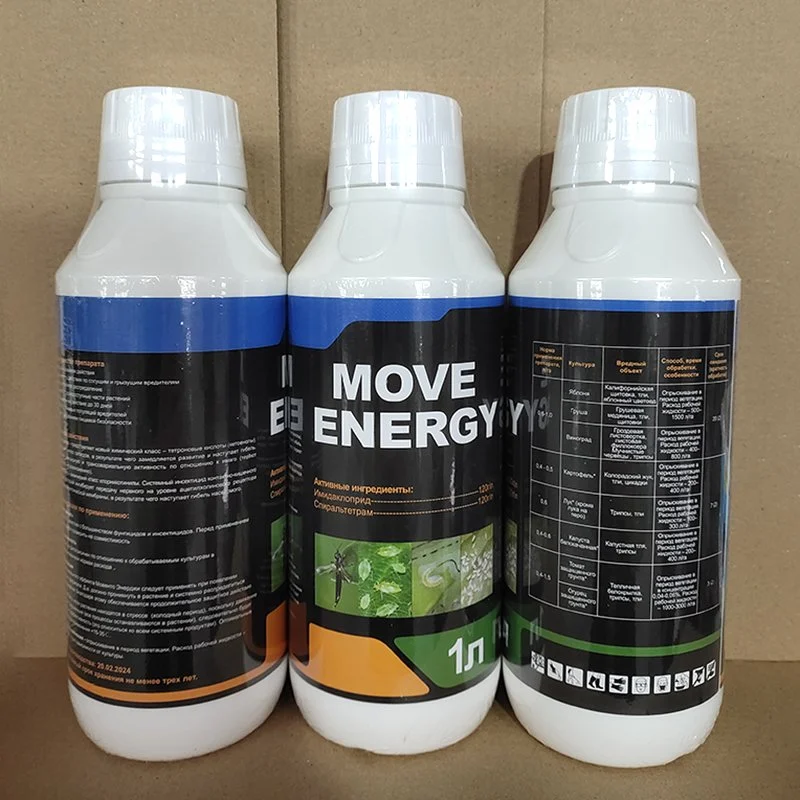](https://www.pomais.com/product/spirotetramat/)
[Spirotetramat Insecticide](https://www.pomais.com/product/spirotetramat/)
[Spirotetramat Insecticide](https://www.pomais.com/product/spirotetramat/)
[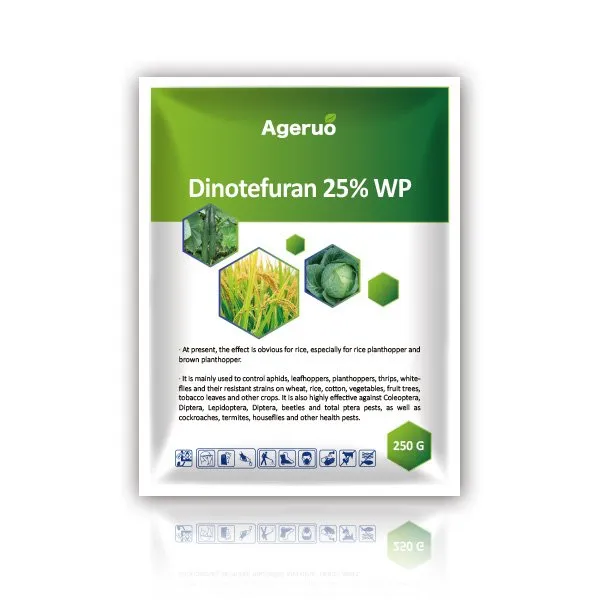](https://www.pomais.com/product/dinotefuran/)
[Dinotefuran Insecticide (IRAC 4A) | Systemic Neonicotinoid Products](https://www.pomais.com/product/dinotefuran/)
[Dinotefuran Insecticide (IRAC 4A) | Systemic Neonicotinoid Products](https://www.pomais.com/product/dinotefuran/)
## Wheat Disease Management Solutions | Protecting Your Wheat from Fungal and Bacterial Threats
Wheat diseases are a major cause of yield and quality losses worldwide. Fungal pathogens such as rusts, powdery mildew, and smuts, along with bacterial and seedborne diseases, can severely affect crop development across all growth stages. At **POMAIS Agriculture**, we offer comprehensive, stage-specific disease control strategies to safeguard your wheat fields using highly effective fungicide programs and professional technical support.
### Major Wheat Diseases by Growth Stage
> If diseases in your area are resistant to a single fungicide, we recommend using a hybrid form!
| **Wheat Growth Stage** | **Common Diseases** | **Damage Symptoms** | **Recommended Fungicides** |
| --- | --- | --- | --- |
| **Germination & Seedling** | Seed-borne fungi (e.g., bunt, smut), Root rots | Poor germination, weak seedlings, damping-off, root decay. | [Carbendazim](https://www.pomais.com/product/carbendazim/), Fludioxonil, [Metalaxyl](https://www.pomais.com/product/metalaxyl/) |
| **Tillering (Feekes 2–3)** | Powdery Mildew, Early Leaf Rust | White powdery growth, rust pustules, early leaf senescence. | [Tebuconazole](https://www.pomais.com/product/tebuconazole-25-ec/), Propiconazole |
| **Stem Elongation (Feekes 4–5)** | Stripe Rust, Stem Rust, Septoria Leaf Blotch | Streaks, lesions, stem weakening, necrotic blotches. | Chlorothalonil, [Mancozeb](https://www.pomais.com/product/mancozeb/), Azoxystrobin |
| **Flag Leaf to Booting (Feekes 6–9)** | Late Powdery Mildew, Ongoing Rust Infections | Flag leaf damage limits grain fill, rust spread under moisture. | [Tebuconazole](https://www.pomais.com/product/tebuconazole-25-ec/), Trifloxystrobin |
| **Heading to Flowering (Feekes 10–10.5)** | Fusarium Head Blight (FHB), Rusts on spikelets | Bleached heads, poor grain set, mycotoxins risk, rust on glumes. | Prothioconazole, Azoxystrobin, [Tebuconazole](https://www.pomais.com/product/tebuconazole-25-ec/) |
| **Grain Fill to Maturity (Feekes 11–11.4)** | Grain mold, Late-season Rusts | Shriveled grains, mold growth, reduced quality and storability. | Propiconazole, Azoxystrobin (low-residue) |
### Wheat Disease Control by Growth Stage
#### **1. Germination & Seedling Stage**
- **Common Diseases**: Seed-borne fungi (e.g., bunt, smut), Root rots
- **Damage Symptoms**: Poor germination, weak and stunted seedlings, damping-off, and discolored or decaying roots due to fungal infection.
- **Recommended Fungicides**: **[Carbendazim](https://www.pomais.com/product/carbendazim/)**, **Fludioxonil**, or **Metalaxyl** for seed treatment and protection against soil-borne pathogens.
#### **2. Tillering Stage (Feekes 2–3)**
- **Common Diseases**: Powdery Mildew, Early Leaf Rust
- **Damage Symptoms**: White powdery growth on leaf surfaces, reduced photosynthesis, and orange or brown rust pustules causing premature leaf aging.
- **Recommended Fungicides**: Apply **[Tebuconazole](https://www.pomais.com/product/tebuconazole-25-ec/)** or **Propiconazole** preventively or at early signs of infection.
#### **3. Stem Elongation Stage (Feekes 4–5)**
- **Common Diseases**: Stripe Rust, Stem Rust, Septoria Leaf Blotch
- **Damage Symptoms**: Yellow to reddish streaks or pustules, stem weakening, and necrotic blotches on lower leaves. High disease pressure can lead to lodging and reduced yield.
- **Recommended Fungicides**: Use **Chlorothalonil**, **[Mancozeb](https://www.pomais.com/product/mancozeb/)**, or **Azoxystrobin** as protective foliar sprays.
#### **4. Flag Leaf to Booting Stage (Feekes 6–9)**
- **Common Diseases**: Late Powdery Mildew, Ongoing Rust Infections
- **Damage Symptoms**: Infection of the flag leaf limits carbohydrate production, resulting in poor grain fill. Rust infections may continue spreading under humid conditions.
- **Recommended Fungicides**: Spray **[Tebuconazole](https://www.pomais.com/product/tebuconazole-25-ec/)** or **Trifloxystrobin** to protect the flag leaf and suppress active infections.
#### **5. Heading to Flowering Stage (Feekes 10–10.5)**
- **Common Diseases**: Fusarium Head Blight (FHB), Rusts on spikelets
- **Damage Symptoms**: Bleached heads, poor kernel development, and contamination with harmful mycotoxins (e.g., DON). Rust pustules may appear on glumes or outer spikelet parts.
- **Recommended Fungicides**: Apply **Prothioconazole**, **Azoxystrobin**, or **[Tebuconazole](https://www.pomais.com/product/tebuconazole-25-ec/)** at the beginning of flowering for maximum head protection.
#### **6. Grain Fill to Maturity Stage (Feekes 11–11.4)**
- **Common Diseases**: Grain mold, Late-season Rusts
- **Damage Symptoms**: Shriveled or discolored grains, reduced grain weight, and poor storage quality. High moisture may favor secondary infections.
- **Recommended Fungicides**: Use **Propiconazole** or **Azoxystrobin** with a low residue profile, especially in the pre-harvest window.
## Diseases
#### Bacterial Blights
Water-soaked leaf streaks that quickly turn necrotic under cool, wet, windy weather. Splash and machinery spread are common. Priorities: certified seed, residue and volunteer control, avoid overhead irrigation when canopies are dense, and separate field operations when leaves are wet. Foliar bactericide options are limited; prevention and sanitation do the heavy lifting.
#### Barley Stripe
Seed-borne disease causing long, yellow-brown leaf stripes and sterile heads. Cool, wet seedling phases amplify expression. Mitigation is straightforward: plant clean/certified seed, use effective systemic seed treatments, and rotate out of barley in problem fields. Foliar sprays have little value once symptoms appear.
#### Barley Yellow Dwarf
Aphid-vectored virus causing generalized yellowing/reddening, stunting, and poor tillering. Risk rises with early fall infections and lush, volunteer “green bridges.” Break the bridge, optimize planting date, manage aphids early, and consider virus-oriented seed treatments in high-risk geographies. Resistant/tolerant varieties add resilience.
#### Black Point of Wheat
Dark discoloration at the embryo end; primarily a grain quality downgrade driven by Alternaria/Bipolaris complexes plus late rains during grain fill. Manage with balanced nitrogen, timely harvest, reduced late-season irrigation, and seed cleaning. Fungicides have inconsistent value; agronomy and weather risk management matter most.
#### Common Root Rot and Scab
Soil-/residue-borne complexes (e.g., Bipolaris/Fusarium) that prune roots and crowns, thinning stands and reducing water-use efficiency. Favoring factors: continuous cereals, moisture stress, and heavy residue. Rotate with broadleaf crops, manage residue, relieve compaction, and use appropriate seed treatments. Foliar sprays are not the tool; target the seed and soil phase.
#### Covered Smut
Seed-borne; heads replaced by dark spore masses enclosed by a membrane. It rides with seed lots and emerges at heading. Control is classic: certified seed plus systemic seed treatments. Rotation helps, but seed hygiene is the core KPI.
#### Ergot
Claviceps sclerotia replacing kernels; a serious food/feed safety issue. Cool, wet flowering and open florets elevate risk. Strip out volunteer cereals and grasses, mow broadleaf/grass borders before flowering, clean seed to remove sclerotia, and adhere to grain tolerance standards. Fungicides are unreliable; prevention and sanitation are the strategy.
#### Karnal Bunt of Wheat
A regulated, quarantine disease causing partial “bunting” with fishy odor; often low incidence but high trade impact. Management focuses on prevention: certified seed, strict equipment/harvest sanitation, robust testing, and compliance with movement restrictions. Chemical control is limited; follow national and import regulations to the letter.
#### Leaf Blotch of Oats
Irregular tan-brown lesions with darker margins under cool, wet spells; residue-driven cycles. Rotate away from oats, manage stubble, select tolerant varieties, and time fungicides to early disease onset when conditions are persistently wet.
#### Leaf Rusts of Wheat and Barley; Crown Rust of Oats
Orange-brown pustules (wheat/barley rusts) or bright orange “crown rust” on oats; rapid cycles under humid, moderate temperatures. Variety resistance is your first line; remove alternate hosts where relevant, scout aggressively from tillering to heading, and apply triazole/SDHI/QoI mixtures at threshold—protect the flag leaf and observe resistance-management rules.
#### Leaf Scald of Barley
Lens-shaped, water-soaked lesions that bleach from the center; thrives in cool, wet canopies and stubble-retained systems. Plant clean seed, rotate, manage residue, and trigger fungicides at early stem extension if conditions stay conducive.
#### Loose Smut
Entire heads replaced by loose, black spores at heading—fully seed-borne and systemic in the embryo. Use certified seed and systemic seed treatments that target embryo infections; foliar products do not fix established infections. Crop rotation and rogueing reduce inoculum over time.
#### Net Blotch of Barley
Net-like or spot-type lesions driven by Pyrenophora teres; classic stubble disease with multiple cycles in wet-cool periods. Rotate out of barley, vary varieties, and schedule fungicides around early lesion appearance; rotate modes of action to protect chemistry.
#### Powdery Mildew
White, talc-like growth on leaves and stems in dense, high-nitrogen canopies with humid air and low rainfall. Use resistant varieties, balance nitrogen, reduce canopy humidity, and intervene early with targeted fungicides; later sprays after canopy collapse return poor ROI.
#### Septoria Tritici Blotch of Wheat
Tan lesions with black pycnidia; slow burn in cool, wet weather, then a rapid takeoff. Prioritize varietal resistance, rotation, and residue management. If needed, protect leaf 3 and the flag (typical T1/T2 timings) with robust mixtures; avoid single-site solo applications to limit resistance.
#### Stem Rusts of Wheat, Barley, and Oats
Dark, elongated stem and leaf sheath pustules; high-loss potential in warm, stormy periods. Deploy resistant genetics, monitor regional race updates, remove alternate hosts where applicable, and apply triazole-based programs promptly at first sign—protecting stems and flag leaf tissue.
#### Stripe Rusts of Wheat and Barley
Yellow, linear “stripes” on leaves in cool, moist springs; can move fast and early. Plant resistant/tolerant varieties, scout from tillering, and treat early infections to protect the flag leaf. Favor mixtures and rotate modes to preserve efficacy.
#### Take-All
Root and crown blackening with whiteheads and premature ripening in continuous cereals, often on higher-pH soils. Break with broadleaf rotations, manage residue and drainage, avoid sowing too early into infected stubble, and consider specialty seed treatments where available. Foliar fungicides do not solve established take-all.
## Wheat Fungicide
[](https://www.pomais.com/product/prochloraz-267-g-l-tebuconazole-133-g-l-ew-fungicide/)
[Prochloraz 267 g/L + Tebuconazole 133 g/L EW Fungicide](https://www.pomais.com/product/prochloraz-267-g-l-tebuconazole-133-g-l-ew-fungicide/)
[Prochloraz 267 g/L + Tebuconazole 133 g/L EW Fungicide](https://www.pomais.com/product/prochloraz-267-g-l-tebuconazole-133-g-l-ew-fungicide/)
[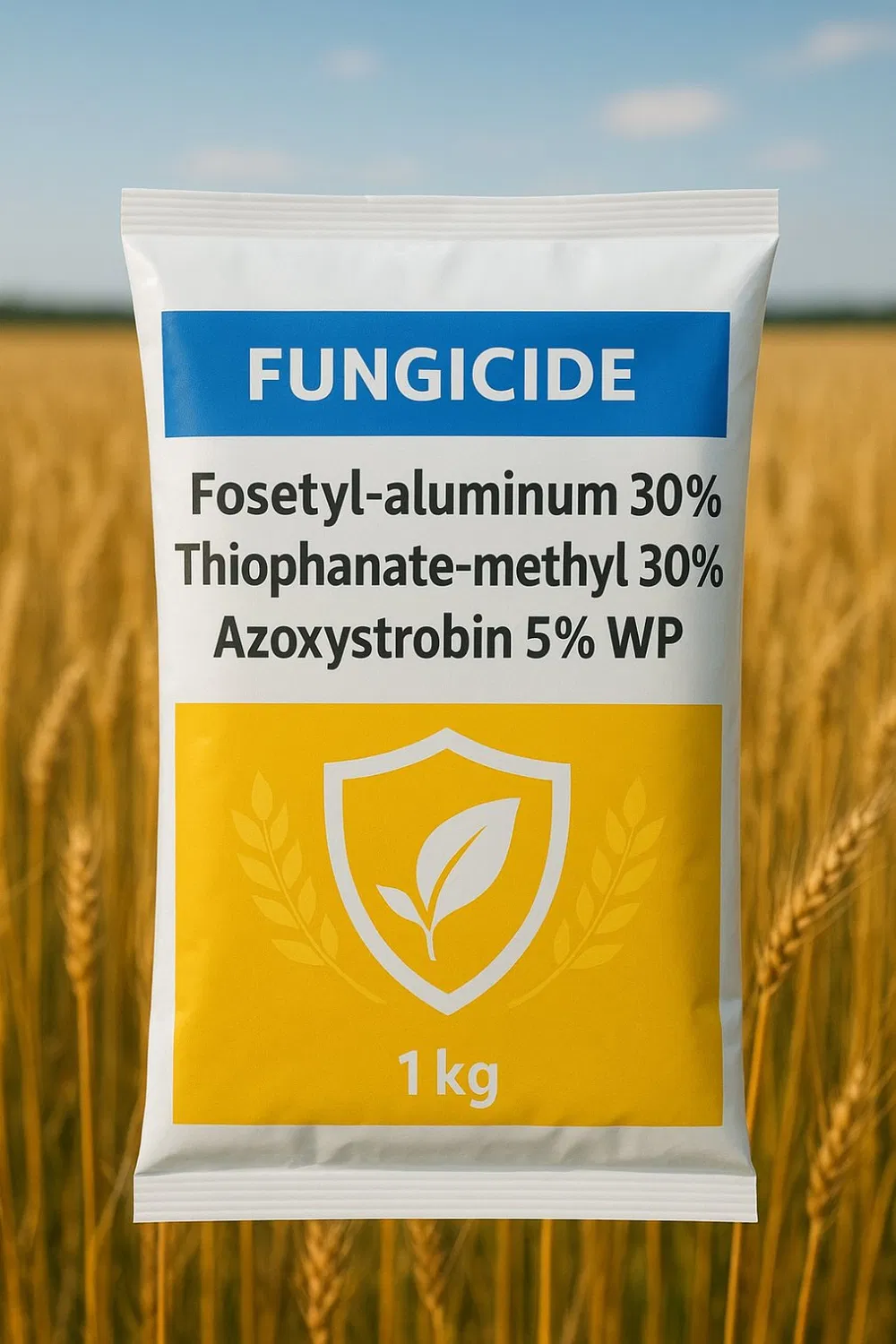](https://www.pomais.com/product/fosetyl-aluminum-30-thiophanate-methyl-30-azoxystrobin-5-wp/)
[Fosetyl-aluminum 30% + Thiophanate-methyl 30% + Azoxystrobin 5% WP](https://www.pomais.com/product/fosetyl-aluminum-30-thiophanate-methyl-30-azoxystrobin-5-wp/)
[Fosetyl-aluminum 30% + Thiophanate-methyl 30% + Azoxystrobin 5% WP](https://www.pomais.com/product/fosetyl-aluminum-30-thiophanate-methyl-30-azoxystrobin-5-wp/)
[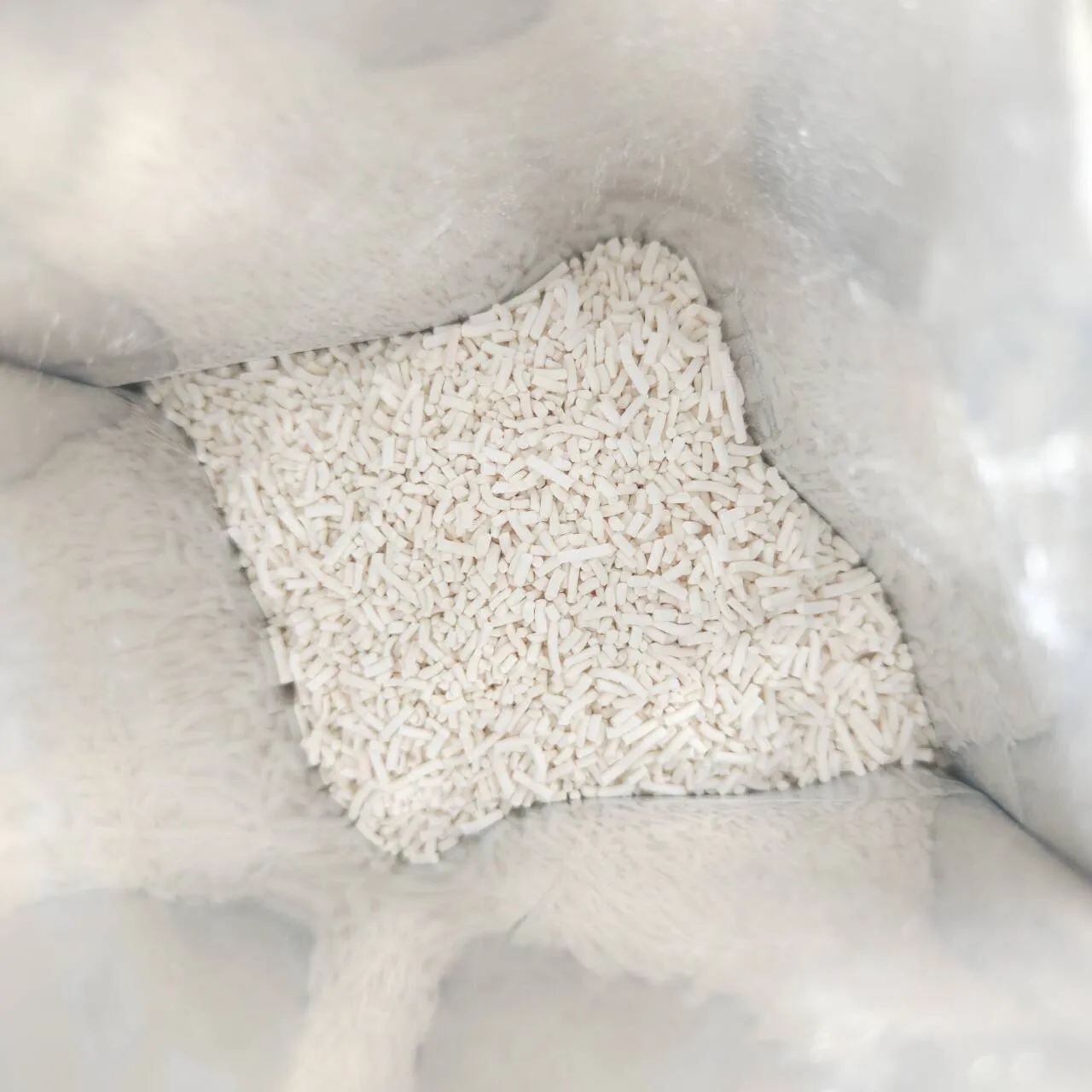](https://www.pomais.com/product/tebuconazole-50-trifloxystrobin-25-wg-wdg-df/)
[Tebuconazole 50% + Trifloxystrobin 25% WG/WDG/DF](https://www.pomais.com/product/tebuconazole-50-trifloxystrobin-25-wg-wdg-df/)
[Tebuconazole 50% + Trifloxystrobin 25% WG/WDG/DF](https://www.pomais.com/product/tebuconazole-50-trifloxystrobin-25-wg-wdg-df/)
[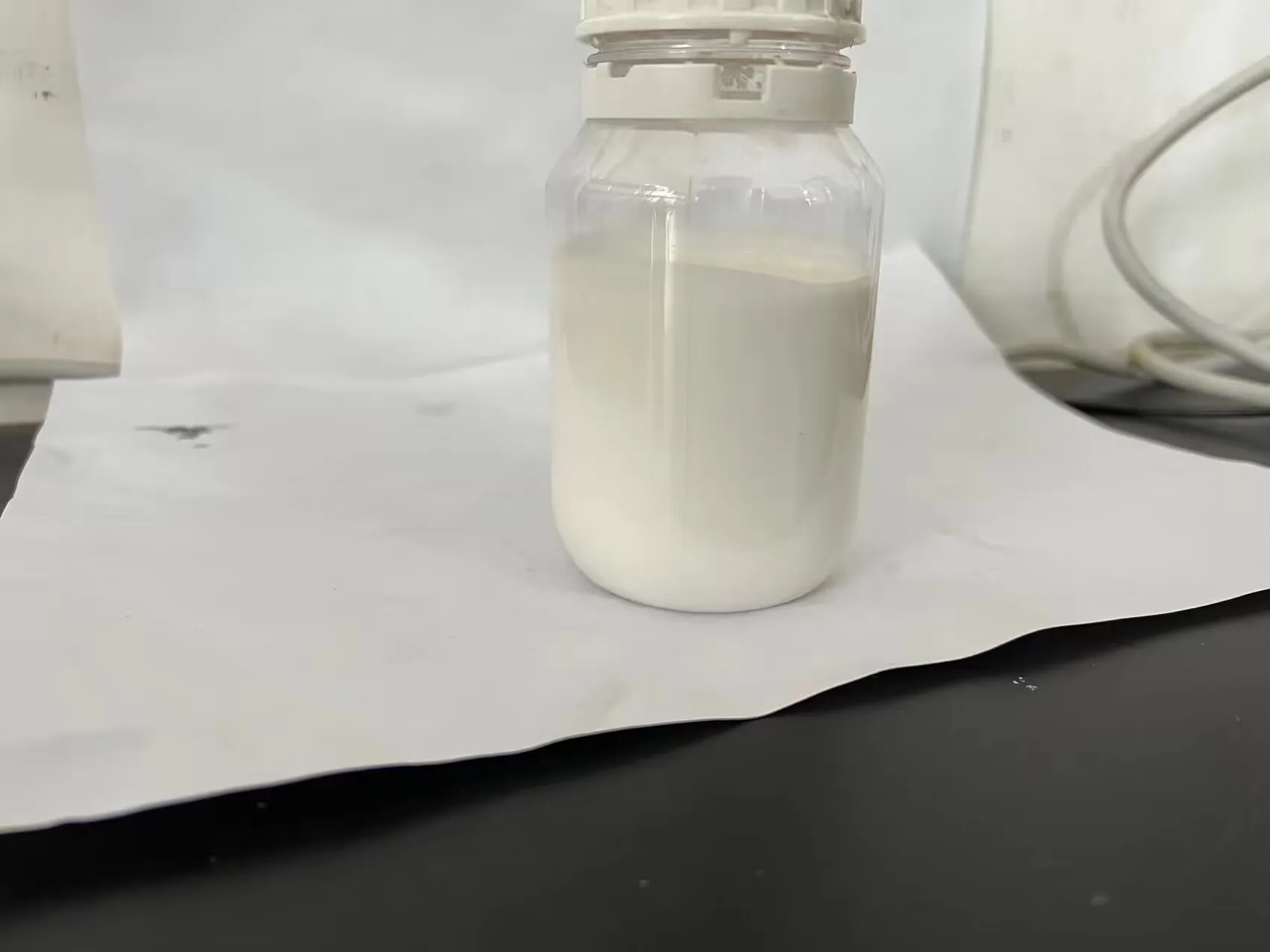](https://www.pomais.com/product/metalaxyl-m-124-g-l-azoxystrobin-322-g-l-se/)
[Metalaxyl-M 124 g/L + Azoxystrobin 322 g/L SE](https://www.pomais.com/product/metalaxyl-m-124-g-l-azoxystrobin-322-g-l-se/)
[Metalaxyl-M 124 g/L + Azoxystrobin 322 g/L SE](https://www.pomais.com/product/metalaxyl-m-124-g-l-azoxystrobin-322-g-l-se/)
[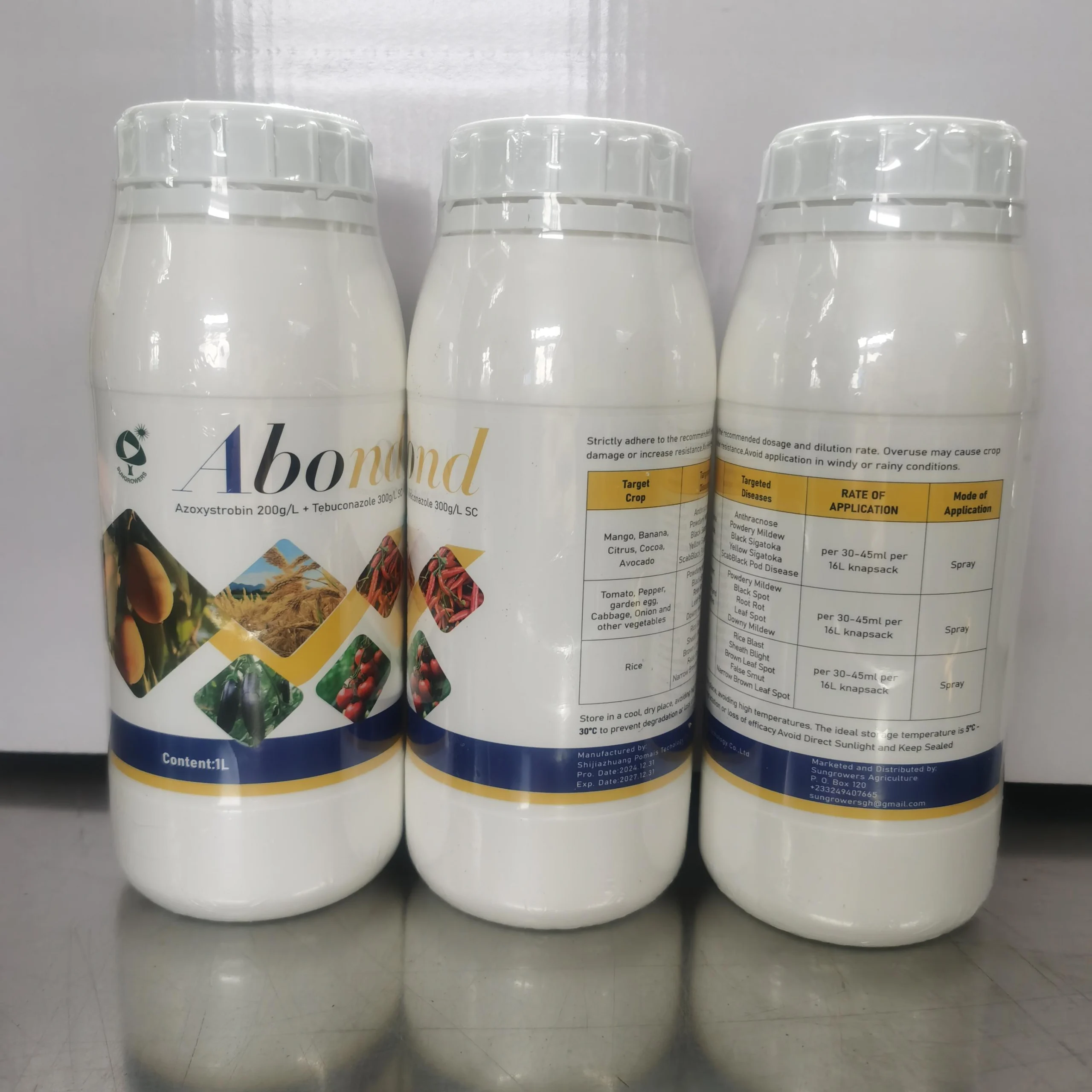](https://www.pomais.com/product/azoxystrobin-200g-l-tebuconazole-300g-l-sc-fungicide/)
[Azoxystrobin 200g/l + Tebuconazole 300g/l SC Fungicide](https://www.pomais.com/product/azoxystrobin-200g-l-tebuconazole-300g-l-sc-fungicide/)
[Azoxystrobin 200g/l + Tebuconazole 300g/l SC Fungicide](https://www.pomais.com/product/azoxystrobin-200g-l-tebuconazole-300g-l-sc-fungicide/)
[](https://www.pomais.com/product/tebuconazole-25-ec/)
[Tebuconazole Systemic Fungicide for Crop Disease Control](https://www.pomais.com/product/tebuconazole-25-ec/)
[Tebuconazole Systemic Fungicide for Crop Disease Control](https://www.pomais.com/product/tebuconazole-25-ec/)
[](https://www.pomais.com/product/prochloraz/)
[Prochloraz 450g/L Fungicide](https://www.pomais.com/product/prochloraz/)
[Prochloraz 450g/L Fungicide](https://www.pomais.com/product/prochloraz/)
## Wheat Weed Control Solutions | Herbicide Programs for Effective Wheat Field Management
Weeds are a persistent threat in wheat production, competing with the crop for nutrients, light, and water. If not effectively managed, weeds can lead to reduced yields, increased harvesting difficulties, and lower grain quality. At **POMAIS Agriculture**, we offer stage-specific herbicide solutions that help farmers maintain clean fields throughout the wheat growth cycle while supporting sustainable crop practices.
### Weed Pressure and Recommended Herbicides by Growth Stage
> If weeds in your area are resistant to a single herbicide, we recommend using a mixture!
| **Wheat Growth Stage** | **Common Weeds** | **Weed Impact** | **Recommended Herbicides** |
| --- | --- | --- | --- |
| **Pre-sowing & Pre-emergence** | Annual grasses (wild oats), Broadleaf weeds (pigweed, chickweed) | Compete with seedlings, reduce stand establishment, absorb moisture and nutrients early | Pendimethalin, [Pyroxasulfone](https://www.pomais.com/product/pyroxasulfone-40-sc-85-wg/) (pre-emergent soil application) |
| **Tillering (Feekes 2–3)** | Volunteer cereals, Foxtail, Ryegrass, Early broadleaves | Compete for nitrogen and water, inhibit tillering, reduce crop density | [Metribuzin](https://www.pomais.com/product/metribuzin-70-wdg-herbicide-selective-pre-and-post-emergent-weed-control/), Fenoxaprop-P-ethyl, [2,4-D](https://www.pomais.com/product/24d-720g-l-sl-herbicide-weed-killer/) (post-emergent) |
| **Stem Elongation (Feekes 4–5)** | Late-emerging sedges, Resistant biotypes (wild radish, wild mustard) | Shade crop canopy, reduce light interception, host pests and diseases | Clodinafop-propargyl, Tribenuron-methyl, Mesosulfuron-methyl |
| **Flag Leaf to Booting (Feekes 6–9)** | Field bindweed, Escaped broadleaves | Reduce flag leaf effectiveness, complicate spraying and harvest operations | [2,4-D](https://www.pomais.com/product/24d-720g-l-sl-herbicide-weed-killer/) or Dicamba, rotate MOA to prevent resistance |
| **Heading to Flowering (Feekes 10–10.5)** | Resistant grassy weeds, Late-season annuals | Suppress grain fill, increase foreign matter in harvest | Spot-treatment with selective grass herbicides; monitor resistance development |
| **Grain Fill to Maturity (Feekes 11–11.4)** | Late escapes, Minimal new emergence | Affect harvest cleanliness, moisture levels, and storage quality | [Glyphosate](https://www.pomais.com/product/glyphosate/) (post-harvest or pre-plant in conservation tillage systems) |
### Wheat Weed Management Solutions by Growth Stage
Weeds are a persistent and costly challenge in wheat production. They compete with the crop for light, nutrients, and water, and if not properly managed, can result in yield loss, poor grain quality, and harvesting difficulties. Each growth stage of wheat is susceptible to different weed pressures. At **POMAIS Agriculture**, we provide stage-specific herbicide strategies to help farmers maintain clean, high-yielding wheat fields.
Below is a comprehensive overview of common weed threats at each stage of wheat development, along with their impacts and recommended herbicide solutions.
### 1. Pre-sowing & Pre-emergence Stage
- **Common Weeds**: Annual grasses such as wild oats, and broadleaf weeds including pigweed and chickweed.
- **Impact**: These weeds germinate alongside or even before wheat seeds, quickly absorbing essential moisture and nutrients. They hinder proper seedling emergence and reduce plant stand establishment.
- **Recommended Herbicides**: Pre-emergent herbicides such as **Pendimethalin** and **[Pyroxasulfone](https://www.pomais.com/product/pyroxasulfone-40-sc-85-wg/)** are highly effective when incorporated into the soil before crop emergence. They form a protective barrier that inhibits early weed growth.
### 2. Tillering Stage (Feekes 2–3)
- **Common Weeds**: Volunteer cereals, grassy weeds like foxtail and ryegrass, and early-stage broadleaves.
- **Impact**: These weeds compete directly with wheat tillers for nitrogen, water, and sunlight. If uncontrolled, they reduce the number of productive tillers and weaken overall plant density.
- **Recommended Herbicides**: Post-emergent options such as **[Metribuzin](https://www.pomais.com/product/metribuzin-70-wdg-herbicide-selective-pre-and-post-emergent-weed-control/)**, **Fenoxaprop-P-ethyl**, and **[2,4-D](https://www.pomais.com/product/24d-720g-l-sl-herbicide-weed-killer/)** can be safely applied during this stage to eliminate emerged weeds and prevent further establishment.
### 3. Stem Elongation Stage (Feekes 4–5)
- **Common Weeds**: Late-emerging sedges and resistant broadleaf biotypes like wild radish and wild mustard.
- **Impact**: These aggressive weeds compete for sunlight, shade the wheat canopy, and can harbor insects and fungal diseases, creating a multi-threat environment.
- **Recommended Herbicides**: Broad-spectrum and selective herbicides such as **Clodinafop-propargyl**, **Tribenuron-methyl**, or **Mesosulfuron-methyl** are ideal for controlling mixed infestations at this stage.
### 4. Flag Leaf to Booting Stage (Feekes 6–9)
- **Common Weeds**: Perennial weeds like field bindweed and escaped broadleaf species from earlier stages.
- **Impact**: These weeds can interfere with flag leaf exposure, reducing photosynthesis and carbohydrate transfer needed for grain filling. They also complicate mechanical operations like fungicide or insecticide application.
- **Recommended Herbicides**: Where labeled and safe, **[2,4-D](https://www.pomais.com/product/24d-720g-l-sl-herbicide-weed-killer/)** or **Dicamba** may be used carefully. Herbicide rotation at this stage is critical to delay or prevent resistance buildup.
### 5. Heading to Flowering Stage (Feekes 10–10.5)
- **Common Weeds**: Resistant grassy weeds and late-season annuals that escaped early control.
- **Impact**: These late weeds hinder grain filling, increase grain moisture, and may delay harvest due to contamination with foreign plant material.
- **Recommended Herbicides**: Spot treatments using selective grassy weed herbicides can reduce further competition. Close field monitoring is advised to prevent seed production and spread of resistant biotypes.
### 6. Grain Fill to Maturity Stage (Feekes 11–11.4)
- **Common Weeds**: Late escapes and minimal new emergence depending on moisture and temperature.
- **Impact**: Weeds at this stage can still affect grain moisture, lead to harvesting complications, and reduce overall grain quality and storability.
- **Recommended Herbicides**: **Glyphosate** is commonly used post-harvest (or pre-plant in no-till systems) to manage residual weeds and prepare fields for the next crop cycle.
## Weeds
#### Hare barley (Hordeum leporinum)
Winter annual grass with sharp awns; competes early and contaminates grain. Manage with clean seedbeds, delayed seeding where feasible, robust pre-em residuals, and grass-selective post options (rotate ACCase/ALS where effective).
#### Barnyardgrass (Echinochloa crus-galli)
Fast-germinating summer annual grass that thrives in wet pockets; heavy seed producer. Use strong pre-em residuals plus timely post grass herbicides; limit escapes before seed set.
#### Fivehook bassia (Bassia hyssopifolia)
Salt-tolerant annual broadleaf forming dense mats in disturbed soils. Prioritize early post control with broadleaf actives and prevent seed return; rotate MOA to slow resistance.
#### Field bindweed (Convolvulus arvensis)
Deep-rooted perennial with rhizomes; white/pink trumpets; highly persistent. Requires multi-year suppression: competitive crops, tillage where appropriate, sanitation, and systemic actives in non-cereal windows.
#### Annual bluegrass (Poa annua)
Low-growing winter annual grass setting seed at mowing height; fills thin stands. Strengthen crop competition, use pre-em residuals, and rotate effective grass actives where labeled.
#### Ripgut brome (Bromus diandrus)
Winter annual grass with long awns; strong early competition. Delay planting to miss flushes, apply pre-em residuals, and use selective posts; avoid repeating the same MOA.
#### California burclover (Medicago polymorpha)
Winter annual legume; prostrate growth and burrs contaminate grain. Control early with selective broadleaf herbicides and reduce field margins as seed sources.
#### Crowfoot buttercup (Ranunculus sceleratus)
Moist-soil annual broadleaf; can be toxic to livestock. Improve drainage and target young plants with labeled broadleaf chemistry.
#### Hood canarygrass (Phalaris paradoxa)
Competitive annual grass in cereals. Combine delayed seeding, pre-em programs, and grass-selective posts (rotate ACCase/ALS).
#### Littleseed canarygrass (Phalaris minor)
Serious winter annual grass with known resistance in some regions. Stack pre-ems, rotate grass MOA, and use crop rotation to reset pressure.
#### Mayweed chamomile (Anthemis cotula)
Annual broadleaf with strong odor; contaminates grain samples. Treat early; auxins/ALS are typical tools—watch resistance and avoid late survivors.
#### Common chickweed (Stellaria media)
Cool-season mat-forming annual; thrives in moist canopies. Dense crop stands, pre-ems, and timely broadleaf posts give reliable control.
#### Coast fiddleneck (Amsinckia menziesii var. intermedia)
Bristly annual with coiled blooms; toxic to livestock. Remove early with auxin-based programs; prevent seed set.
#### Filarees (Erodium spp.)
Winter annual rosettes with “stork’s-bill” seeds. Early post broadleaf control is efficient; manage edges and traffic areas.
#### Foxtails, yellow & green (Setaria spp.)
Summer annual grasses with bristled seedheads; multiple flushes. Use strong pre-ems and timely post grass herbicides; stop seed rain.
#### Jointed goatgrass (Aegilops cylindrica)
Winter annual grass closely related to wheat; seed mimics grain. Emphasize crop rotation, fallow/burndown, and trait-based systems where legal; pre-plant control is pivotal.
#### Nettleleaf goosefoot (Chenopodium murale)
Nitrogen-loving annual broadleaf; similar to lambsquarters with pungent odor. Control early with broadleaf actives; manage fertility and sanitation.
#### Common groundsel (Senecio vulgaris)
Winter annual; continuous flushes under mild conditions; toxic. Early post broadleaf control; rotate MOA due to ALS resistance reports in some areas.
#### Henbit (Lamium amplexicaule)
Winter annual mint with purple flowers; thrives in thin stands. Early auxin/ALS programs work well; thicken crop canopy.
#### Johnsongrass (Sorghum halepense)
Rhizomatous perennial grass; highly competitive. In cereals, rely on rotation, tillage/fallow, and pre-plant burndown; target rhizomes in non-cereal windows.
#### Prostrate knotweed (Polygonum aviculare)
Low, mat-forming summer annual; compaction indicator. Relieve compaction, treat seedlings promptly with broadleaf actives.
#### Kochia (Kochia scoparia)
Drought-tolerant tumbleweed; multiple resistance common. Layer pre-ems, diversify MOA, and enforce sanitation to prevent tumble spread.
#### Ladysthumb (Polygonum persicaria)
Moist-soil annual broadleaf. Improve drainage and treat young plants with selective broadleaf herbicides.
#### Common lambsquarters (Chenopodium album)
Early-emerging annual; extremely competitive. Stack residuals and follow with timely broadleaf posts; prevent seed rain.
#### Prickly lettuce (Lactuca serriola)
Annual/biennial with spiny midrib; allelopathic tendencies. Control rosettes early with auxins; avoid letting bolted plants seed.
#### Little mallow (cheeseweed) (Malva parviflora)
Waxy leaves, tough cuticles; can tolerate weak rates. Target small plants with robust broadleaf mixes; mechanical options help around obstacles.
#### Milk thistle (Silybum marianum)
Large, white-mottled rosettes; spiny; heavy seed producer. Treat at rosette stage and stop seed set; auxins are standard.
#### Miner’s lettuce (Claytonia perfoliata)
Cool-season annual in moist niches; low competitiveness but messy. Improve canopy closure and remove early with broadleaf actives.
#### Mustards (Brassica spp.)
Group of winter annuals; fast spring growth and seed set. Auxins and ALS provide control; use pre-ems and early timing for best ROI.
#### Burning nettle (Urtica urens)
Stinging annual in fertile, moist soils. Sanitation plus early broadleaf control; reduce dense, wet patches.
#### Yellow nutsedge (Cyperus esculentus)
Perennial sedge with tubers; difficult in cereals. Emphasize rotation and non-cereal windows for sedge-specific actives; tillage and competition reduce vigor.
#### Wild oat (Avena fatua)
Top annual grass weed in small grains; mimicry with crop oats. Combine delayed seeding, pre-ems, and selective post grass actives; manage resistance proactively.
#### Bristly oxtongue (Picris echioides)
Annual/biennial with rough leaves; late survivors foul harvests. Control rosettes early with auxin programs; avoid late escapes.
#### Redroot pigweed (Amaranthus retroflexus)
Summer annual with high seed output; resistance frequent. Stack residuals and apply timely posts; strict seedbank sanitation.
#### Scarlet pimpernel (Anagallis arvensis)
Low, creeping annual; small orange flowers. Treat seedlings early; broadleaf chemistry is effective.
#### Pineapple-weed (Chamomilla suaveolens)
Compact “chamomile” with pineapple scent; thrives in compacted soils. Early broadleaf control plus traffic management.
#### Rabbitfoot polypogon (Polypogon monspeliensis)
Moist-area annual grass; seeds move with water. Improve drainage, avoid contaminated irrigation, and use labeled grass actives.
#### Wild radish (Raphanus raphanistrum)
Aggressive winter annual; ALS resistance widespread. Lean on auxins, robust pre-ems, and strict removal before pod set.
#### Redmaids (Calandrinia ciliata)
Small succulent annual; early flush in cool, moist sites. Remove early with broadleaf actives; dense cereals suppress it.
#### London rocket (Sisymbrium irio)
Urban/roadside winter annual invading fields after disturbance. Early auxin/ALS control; reduce bare soil windows.
#### Italian ryegrass (Lolium multiflorum)
Notorious winter annual grass with multi-MOA resistance. Use integrated programs: strong pre-ems (where legal), diverse rotations, and harvest weed-seed control.
#### Shepherd’s-purse (Capsella bursa-pastoris)
Winter annual with heart-shaped pods; constant low-level pressure. Early broadleaf control is efficient; pre-ems help in wet springs.
#### Pale smartweed (Polygonum lapathifolium)
Moist-soil annual; tall, competitive in wet corners. Improve drainage; treat young plants promptly.
#### Annual sowthistle (Sonchus oleraceus)
Milky sap annual; sheds wind-borne seed. Early auxin control; avoid late escapes going to fluff.
#### Spiny sowthistle (Sonchus asper)
Stiffer, spiny leaves; similar management to annual sowthistle. Target rosettes early.
#### Prostrate spurge (Chamaesyce humistrata)
Warm-season prostrate euphorb; thrives in hot, compacted zones. Use residuals and early post; reduce bare, dry edges.
#### Corn spurry (Spergula arvensis)
Fine-leaf annual favoring acidic soils; a small-grain nuisance. Rotation, liming where appropriate, and early broadleaf control.
#### Yellow starthistle (Centaurea solstitialis)
Highly competitive, spiny noxious weed. Multi-year approach: prevent seed set, timed auxin programs, and competitive crops.
#### Stickleafs (Mentzelia spp.)
Dry-site annuals with barbed seeds; establish in gaps. Close the canopy and treat seedlings early with broadleaf actives.
#### Sunflowers (Helianthus spp.)
Wild or volunteer types; tall, light-robbing broadleafs. Auxin tools are effective in cereals; manage volunteers from prior crops.
#### Coast tarweed (Hemizonia corymbosa)
Sticky, aromatic late-season annual in dry regions. Treat early growth stages and prevent seed set.
#### Hayfield tarweed (Hemizonia congesta)
Similar to coast tarweed; late-season seed producer. Early intervention and seedbank reduction are key.
#### Russian thistle (Salsola tragus)
Drought-tolerant tumbleweed; spreads seed via rolling plants; resistance common. Layer residuals, diversify MOA, and enforce sanitation to stop tumble dispersal.
## Wheat Herbicide
[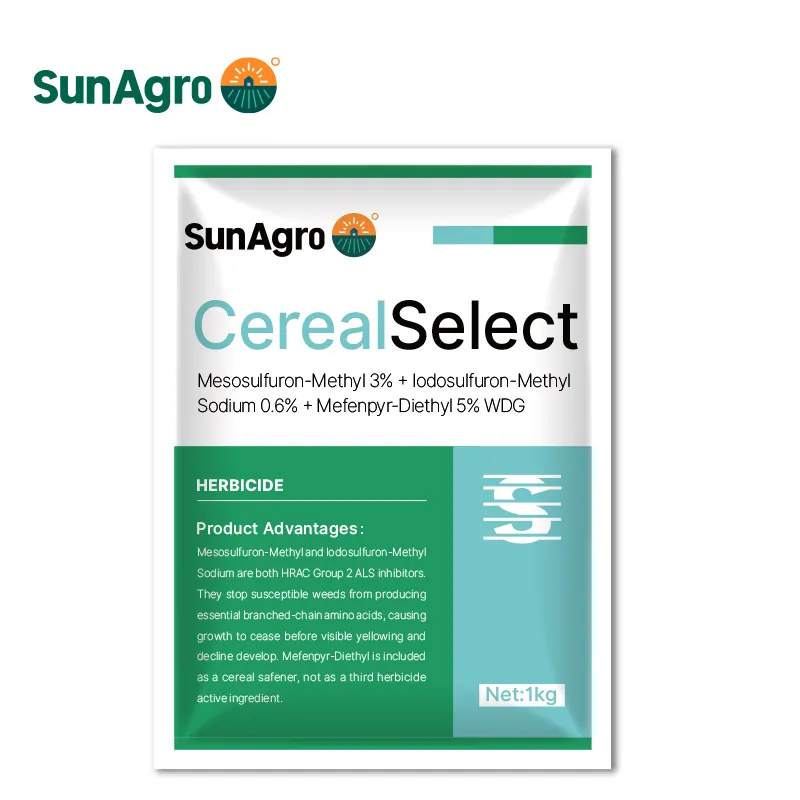](https://www.pomais.com/product/mesosulfuron-methyl-3-iodosulfuron-methyl-sodium-0-6-mefenpyr-diethyl-5-wdg/)
[Mesosulfuron-Methyl 3% + Iodosulfuron-Methyl Sodium 0.6% + Mefenpyr-Diethyl 5% WDG](https://www.pomais.com/product/mesosulfuron-methyl-3-iodosulfuron-methyl-sodium-0-6-mefenpyr-diethyl-5-wdg/)
[Mesosulfuron-Methyl 3% + Iodosulfuron-Methyl Sodium 0.6% + Mefenpyr-Diethyl 5% WDG](https://www.pomais.com/product/mesosulfuron-methyl-3-iodosulfuron-methyl-sodium-0-6-mefenpyr-diethyl-5-wdg/)
[](https://www.pomais.com/product/clodinafop-propargyl-herbicide/)
[Clodinafop-Propargyl Herbicide](https://www.pomais.com/product/clodinafop-propargyl-herbicide/)
[Clodinafop-Propargyl Herbicide](https://www.pomais.com/product/clodinafop-propargyl-herbicide/)
[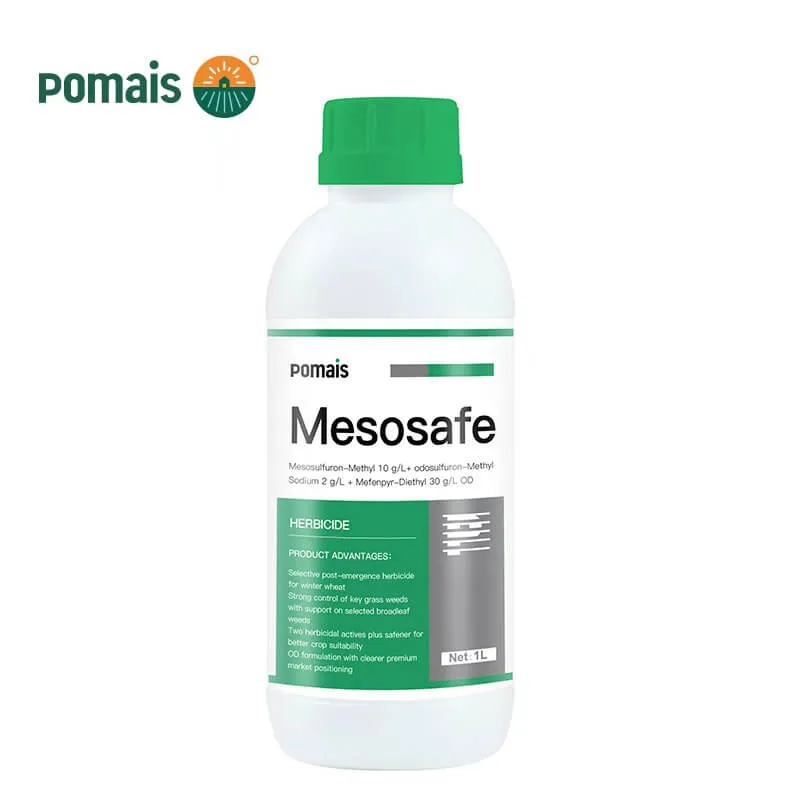](https://www.pomais.com/product/mesosulfuron-methyl-10-g-l-iodosulfuron-methyl-sodium-2-g-l-mefenpyr-diethyl-30-g-l-od/)
[Mesosulfuron-Methyl 10 g/L + Iodosulfuron-Methyl Sodium 2 g/L + Mefenpyr-Diethyl 30 g/L OD](https://www.pomais.com/product/mesosulfuron-methyl-10-g-l-iodosulfuron-methyl-sodium-2-g-l-mefenpyr-diethyl-30-g-l-od/)
[Mesosulfuron-Methyl 10 g/L + Iodosulfuron-Methyl Sodium 2 g/L + Mefenpyr-Diethyl 30 g/L OD](https://www.pomais.com/product/mesosulfuron-methyl-10-g-l-iodosulfuron-methyl-sodium-2-g-l-mefenpyr-diethyl-30-g-l-od/)
[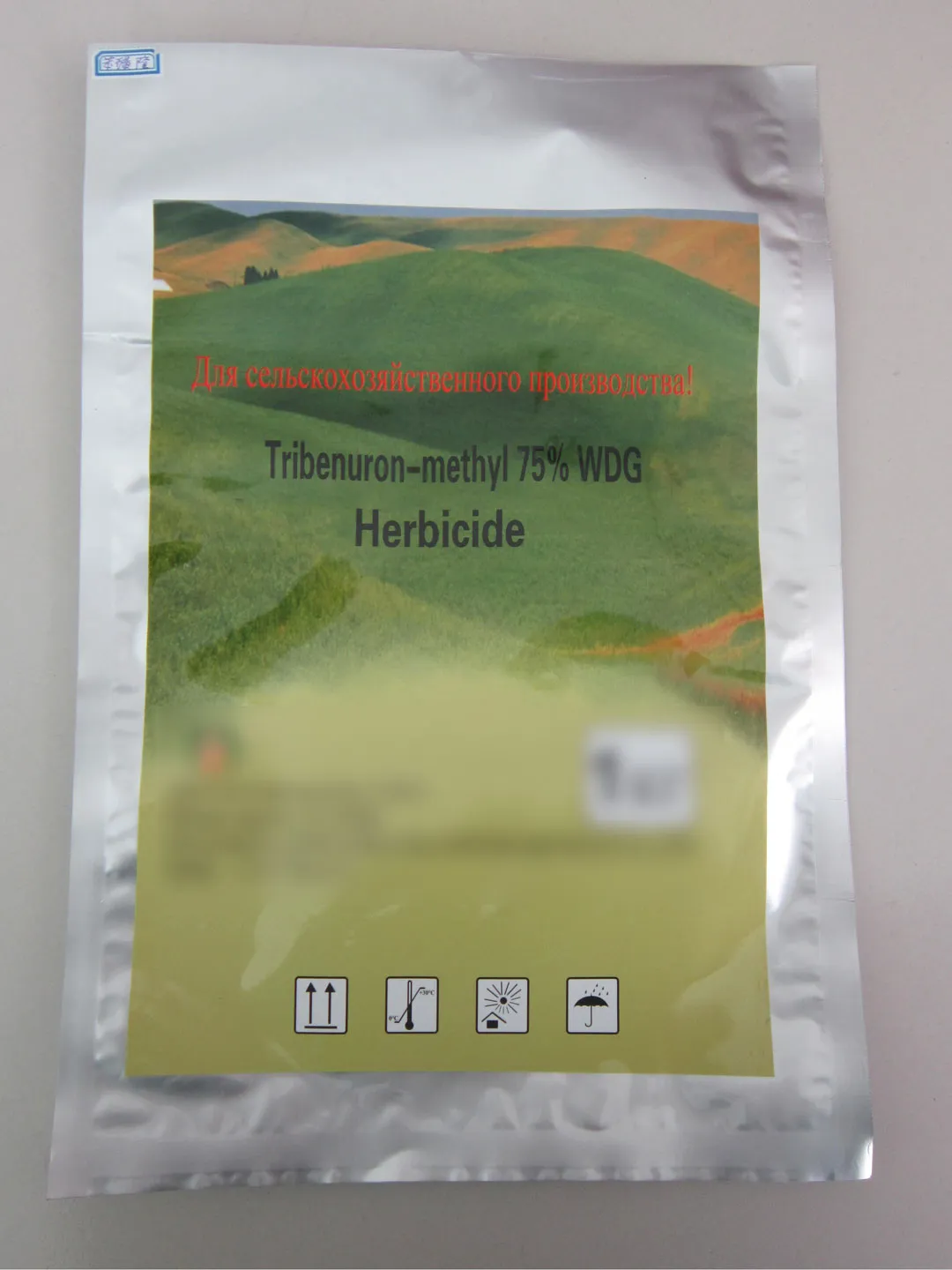](https://www.pomais.com/product/tribenuron-methyl-herbicide/)
[Tribenuron-Methyl Herbicide](https://www.pomais.com/product/tribenuron-methyl-herbicide/)
[Tribenuron-Methyl Herbicide](https://www.pomais.com/product/tribenuron-methyl-herbicide/)
[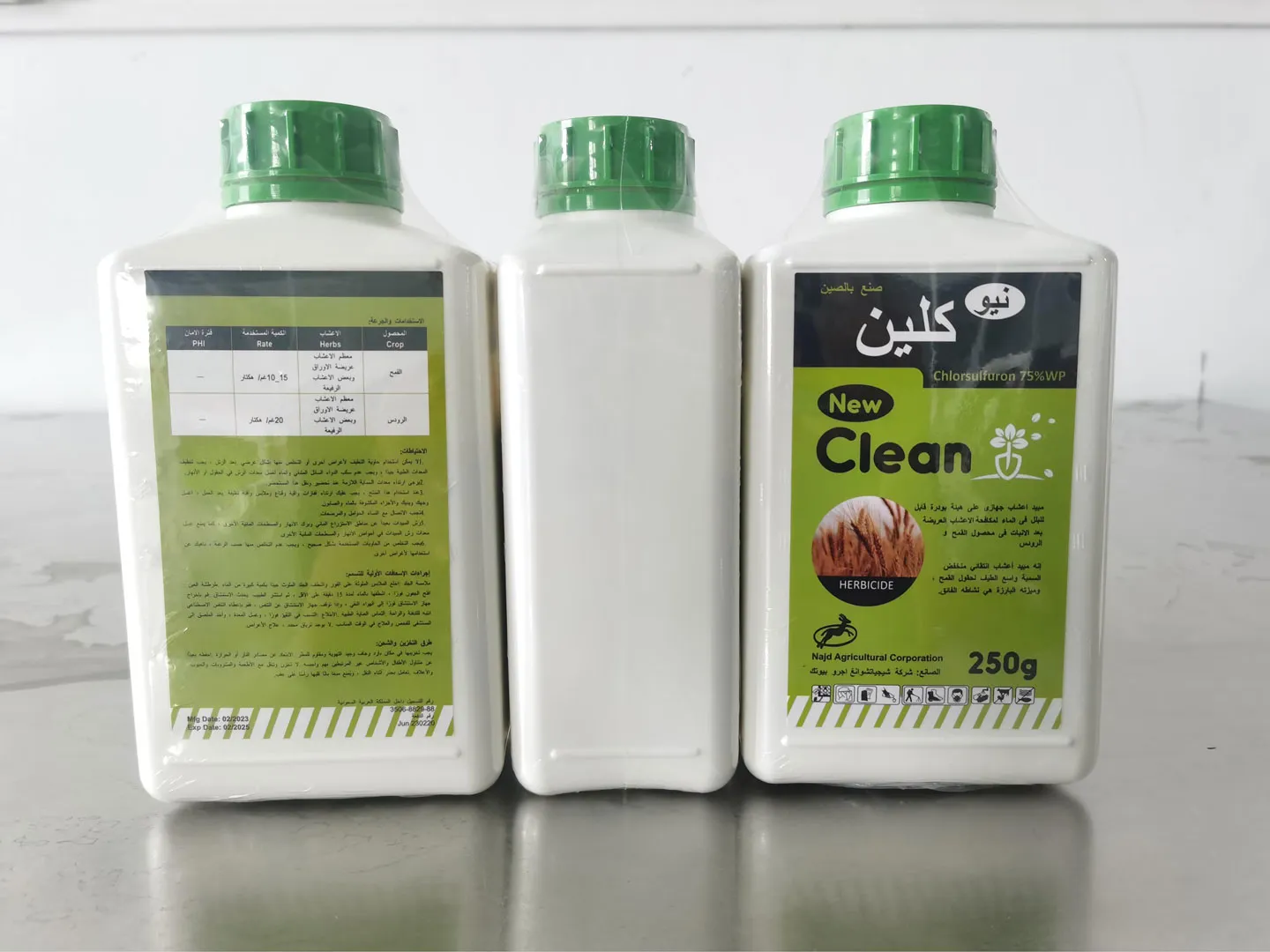](https://www.pomais.com/product/chlorsulfuron-75-df-wg-herbicide/)
[Chlorsulfuron 75% DF/WG Herbicide](https://www.pomais.com/product/chlorsulfuron-75-df-wg-herbicide/)
[Chlorsulfuron 75% DF/WG Herbicide](https://www.pomais.com/product/chlorsulfuron-75-df-wg-herbicide/)
[](https://www.pomais.com/product/pyroxasulfone-40-sc-85-wg/)
[Pyroxasulfone Pre-emergence Herbicide](https://www.pomais.com/product/pyroxasulfone-40-sc-85-wg/)
[Pyroxasulfone Pre-emergence Herbicide](https://www.pomais.com/product/pyroxasulfone-40-sc-85-wg/)
## Product Use and Regulatory Requirements
Wheat crop claims and pesticide-use requirements vary between countries.
The following information must be confirmed against the destination-market registration:
- Wheat type and crop claim
- Target weed, disease, or pest
- Crop growth stage
- Application timing
- Application rate
- Spray interval where applicable
- Maximum application number
- Pre-harvest interval
- Re-entry requirements
- PPE
- Tank-mix restrictions
- Rotational-crop restrictions
- Residue requirements
- MRLs
- Environmental precautions
A product registered for winter wheat in one country should not automatically be positioned for spring wheat, durum wheat, barley, or another cereal in another market.
The approved local label remains the final reference for commercial use.
## Frequently Asked Questions
#### What wheat crop protection products does POMAIS supply?
POMAIS supplies wheat herbicides, fungicides, insecticides, seed treatments, and selected plant growth regulator directions in multiple commercial formulations.
#### What are the main weed groups in wheat?
Important wheat weed directions include grass weeds such as wild oats, ryegrass, black-grass and bromes, together with broadleaf weeds such as chickweed, cleavers, mustards, kochia, mayweed and other locally important species.
#### How should a wheat herbicide be selected?
Start with the target weed, wheat type, crop stage, weed growth stage, crop selectivity, safener requirement where relevant, HRAC group, resistance status, formulation, and destination-market registration.
#### What is the role of a herbicide safener in wheat?
A safener supports crop tolerance to selected herbicidal active ingredients. It does not independently control weeds or automatically add another herbicide mode of action.
#### What wheat diseases are especially important around the flag-leaf and heading stages?
Rusts, Septoria and other foliar diseases can threaten upper leaves, while Fusarium head blight becomes particularly important around heading and flowering in susceptible production systems.
#### Why is Fusarium head blight timing important?
Fusarium head blight affects wheat heads and can be associated with grain-quality and mycotoxin risks. Fungicide positioning therefore depends strongly on crop stage, disease pressure, product label and local recommendations.
#### Can aphid insecticides prevent BYDV?
Aphid management may help reduce virus-vector pressure where supported by an approved program, but insecticides do not cure wheat plants that are already infected with BYDV or another virus.
#### Can POMAIS supply wheat seed treatments?
Yes. Available directions include fungicidal FS products, insecticidal seed treatments, and combination fungicide-insecticide seed-treatment formulations.
#### What is the difference between a seed treatment and a foliar fungicide?
Seed treatments are applied before sowing to protect treated seed and early seedlings. Foliar fungicides are positioned for diseases affecting above-ground crop tissues during later growth stages.
#### Can POMAIS provide private-label wheat pesticides?
Yes. Commercial projects can include product specification, packaging, multilingual labels, technical documents, quality control, and export support.
#### What documents are available for wheat pesticide projects?
Depending on the product and cooperation stage, available materials can include COA, SDS/MSDS, TDS, product specifications, packaging information, label elements, available registration-support documents, and export documentation.
## Tell Us About Your Agrochemical Project
Looking for products for local distribution, private labeling, registration, or portfolio expansion?
Send us your company, destination country, required product, formulation, expected quantity, packaging requirements, and registration status.
Our sales and technical teams will check your product requirements, destination market and documentation needs before recommending suitable formulations.
[Pomais product list.pdf](https://www.pomais.com/wp-content/uploads/2026/03/Pomais-product-list.pdf)
[ICAMA LIST.pdf](https://www.pomais.com/wp-content/uploads/2026/03/ICAMA-LIST.pdf)
Please note that our products are not sold to individual users!
Purchase volume: L/KG
Please let us know your planned purchase volume so that we can provide an accurate quote!
You will receive a response from our market experts within 24 hours (workdays: Monday to Friday); please keep an eye on your email or WhatsApp!
×
Message failed! Contact me via WhatsApp or email!
×
Send Message
[](https://www.pomais.com/)
16+ years professional one-stop agricultural plant protection solution provider
[Facebook](https://www.facebook.com/Pesticide2/) [X](https://x.com/Karen13468809) [Instagram](https://www.instagram.com/pomais_agrochemicals/) [LinkedIn](https://www.linkedin.com/company/pomais-agrochemicals/?viewAsMember=true) [YouTube](https://www.youtube.com/@Pomais-Agrochemicals)
Product
Services
Contact Us
[info@sunagros.com](mailto:info@sunagros.com)
[WhatsApp](https://wa.me/8619930546995)
**ADDRESS**
Room 1907, Baichuan Building-West, Chang’an District, Shijiazhuang City, Hebei Province, China
CopyRight © 2024 – 2026 Hebei SunAgro Agroscience Technology Co., Ltd. All Rights Reserved. Consent Preferences
Toggle Sliding Bar Area
Page load link
[Link to #awb-oc\_\_10593](#awb-oc__10593) [Link to mailto:info@sunagros.com](mailto:info@sunagros.com)
Chat with market experts!
Please note that our products are not sold to individual users!
Purchase volume: L/KG \*
You will receive a response from our market experts within 24 hours (workdays: Monday to Friday); please keep an eye on your email or WhatsApp!
×
Message failed! Contact me via WhatsApp or email!
×
Send Message
Go to Top
```json
{"@context":"https://schema.org","@graph":[{"@type":"BreadcrumbList","@id":"https://www.pomais.com/solution/wheat/#breadcrumb","itemListElement":[{"@type":"ListItem","position":"1","item":{"@id":"https://www.pomais.com","name":"POMAIS"}},{"@type":"ListItem","position":"2","item":{"@id":"https://www.pomais.com/solution/","name":"Solution"}},{"@type":"ListItem","position":"3","item":{"@id":"https://www.pomais.com/solution/wheat/","name":"Wheat"}}]}]}
```