---
description: "Browse Crop Disease Management Directions Why Pathogen Type Matters \r\nSimilar symptoms do not always have the same cause. Distinguishing the major pathogen groups helps prevent unsuitable product positioning.\r\n\r\n\r\n\r\nPathogen Direction\r\nTypical Disease Examples\r\nManagement Implication\r\n\r\n\r\n\r\n\r\nTrue Fungi\r\nPowdery mildew, rusts, Botrytis, Alternaria\r\nMatch fungicide chemistry and FRAC group"
title: Crop Disease Management Solutions and Fungicides – POMAIS
image: https://www.pomais.com/wp-content/uploads/2026/01/pomais-logo-1.png
---
[Skip to content](#content)
16+ years professional one-stop agricultural plant protection solution provider
[](https://www.pomais.com/)
[Inquiry](#awb-oc__10593)
# Crop Disease Management Solutions
Crop disease management starts with the right diagnosis. Similar symptoms can result from very different pathogens, so product selection should begin with the crop, affected plant part, pathogen direction, disease pressure, and infection stage.
POMAIS supports disease-management portfolios for fungal diseases, oomycete diseases, seed and seedling diseases, soil and root diseases, bacterial diseases, and other crop-health programs across different agricultural markets.
For importers, distributors, registration companies, and crop-protection brands, we help match fungicide chemistry, formulation, resistance-management strategy, packaging, and technical documentation to the requirements of the destination market.
Crop Disease Management Solutions [info@sunagros.com](https://www.pomais.com/author/infosunagros-com/)2026-09-10T07:40:46+00:00
## Browse Crop Disease Management Directions
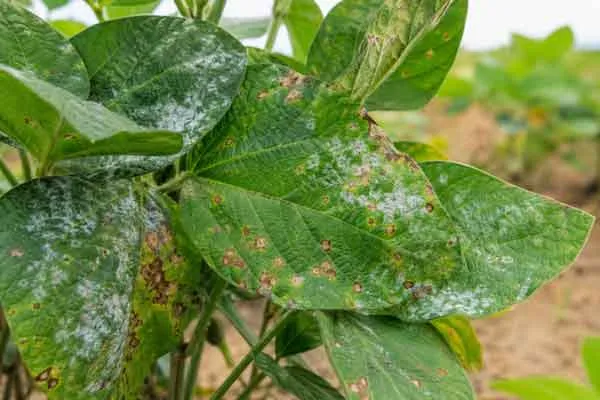
### Foliar Fungal Diseases
Management directions for powdery mildew, rusts, Botrytis, Alternaria, anthracnose, leaf spots, and other registered foliar fungal diseases.
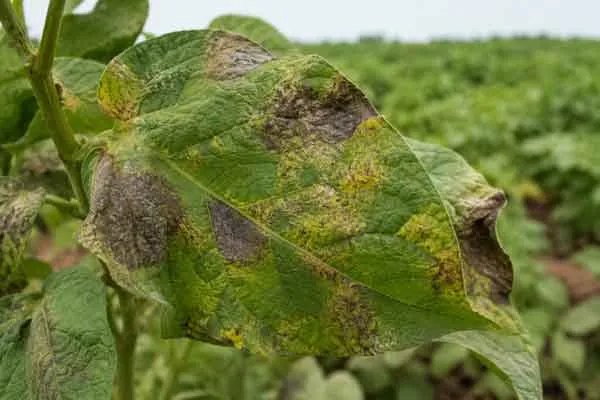
### Oomycete Diseases
Product directions for downy mildew, late blight, Pythium, Phytophthora, and other oomycete disease programs.
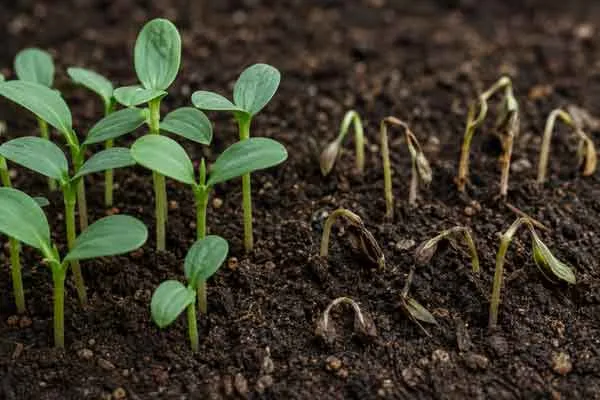
### Seed and Seedling Diseases
Seed-treatment and early-establishment directions for Fusarium, Rhizoctonia, Pythium, and other seedling disease complexes.

### Soil, Root and Crown Diseases
Management directions for selected root rots, crown rots, damping-off, and other soil-associated disease complexes.

### Bacterial Diseases
Selected bactericide and integrated management directions for bacterial leaf spots, blights, wilts, cankers, and related diseases where locally registered.

### Viral and Vector-Associated Diseases
Management focuses on clean planting material, resistant varieties where available, sanitation, removal of infection sources, and vector management rather than conventional fungicide treatment.
## Why Pathogen Type Matters
Similar symptoms do not always have the same cause. Distinguishing the major pathogen groups helps prevent unsuitable product positioning.
| Pathogen Direction | Typical Disease Examples | Management Implication |
| --- | --- | --- |
| True Fungi | Powdery mildew, rusts, Botrytis, Alternaria | Match fungicide chemistry and FRAC group to the pathogen |
| Oomycetes | Downy mildew, late blight, Pythium, Phytophthora | Requires products with appropriate oomycete activity |
| Bacteria | Leaf spots, blights, wilts, cankers | Conventional fungicides are not universal bacterial-disease solutions |
| Viruses | Mosaic, curling, yellowing, stunting | Prevention, clean material and vector/source management become more important |
Correct diagnosis should come before pesticide selection.
## How to Identify the Right Disease Management Direction
A professional disease-management decision should move from diagnosis to control strategy rather than from symptoms directly to a pesticide name.
### 1. Confirm the Crop and Symptoms
Identify the crop and describe the visible symptoms.
### 2. Locate the Affected Plant Part
Determine whether the problem begins on seeds, seedlings, roots, crowns, leaves, stems, flowers, heads, or fruit.
### 3. Identify the Likely Pathogen Direction
Evaluate whether the problem is associated with fungi, oomycetes, bacteria, viruses, nematodes, abiotic stress, or a mixed disease complex.
### 4. Assess Disease Pressure
Review humidity, rainfall, leaf wetness, soil moisture, temperature, crop density, previous crop history, and infection pressure.
### 5. Check Crop Growth Stage
Disease risk and treatment timing can change during establishment, canopy development, flowering, fruit development, and harvest.
### 6. Select the Management Strategy
Compare preventive protection, seed treatment, foliar treatment, soil/root-zone management, cultural practices, and resistance-management requirements.
## Disease Direction by Affected Plant Part
| Affected Plant Part | Typical Disease Direction |
| --- | --- |
| Seed / Seedling | Seed decay, damping-off, seedling blight and establishment disease complexes |
| Root / Crown | Root rot, crown rot, soil-borne and vascular disease directions |
| Leaves | Mildews, rusts, leaf spots, blights and bacterial foliar diseases |
| Stem | Cankers, stem rots and selected vascular diseases |
| Flowers / Heads | Botrytis, Fusarium head diseases and flower blights |
| Fruit | Anthracnose, fruit rots, scab and other fruit disease complexes |
Visible symptoms can help narrow the diagnosis, but laboratory or professional confirmation may still be required where symptoms overlap.
## Common Crop Disease Groups
| Disease Group | Typical Crop Direction | Management Positioning |
| --- | --- | --- |
| Powdery Mildew | Cereals, grapes, vegetables, fruit | Preventive and registered systemic/local-systemic programs |
| Downy Mildew | Grapes, cucurbits, vegetables | Oomycete-active disease management |
| Late Blight | Potato, tomato | Targeted Phytophthora management |
| Botrytis / Gray Mold | Grapes, berries, vegetables | Timing-sensitive Botrytis programs |
| Rust Diseases | Cereals, corn and other crops | Foliar disease-management programs |
| Fusarium Diseases | Cereals, corn and other crops | Crop- and growth-stage-specific management |
| Seedling Disease Complex | Field and vegetable crops | Seed, soil and early-establishment protection |
| Root and Crown Rots | Field, vegetable and fruit crops | Diagnosis-led soil, seed and crop management |
The same disease group can involve different pathogen populations, resistance situations, and registration conditions. Product selection should therefore be made within a defined crop and market context.
## Disease Management by Crop
Different crop markets face different disease complexes. Detailed crop recommendations should therefore be handled within crop-specific solution pages.

### Cereals
Rusts, powdery mildew, Fusarium head diseases, leaf blotches, and seed-borne disease directions.

### Rice
Blast, sheath blight, false smut, and region-specific seed or foliar disease programs.

### Corn
Leaf blights, rusts, stalk and ear diseases, and seedling disease complexes.

### Potato and Tomato
Late blight, early blight, seedling diseases, root diseases, and other foliar infections.

### Grapes
Downy mildew, powdery mildew, Botrytis, and fruit rot programs.

### Vegetables and Fruit
Mildews, anthracnose, Botrytis, leaf spots, damping-off, root diseases, scab, and fruit rots.
[Explore Agricultural Crop Solutions](https://www.pomais.com/solution/crop-solutions/)
## How to Select a Disease-Control Product
Selecting a disease-control product requires more than comparing active ingredient names or concentrations.
### Target Pathogen
Confirm the disease and likely pathogen direction.
### Crop and Registered Use
Check whether the crop-disease combination is supported by the destination-market registration.
### Infection Stage
Determine whether the program is preventive, early-stage, seed-treatment, or soil/root-zone focused.
### Product Mobility
Consider contact, translaminar, locally systemic, or systemic positioning where relevant.
### FRAC Mode of Action
Review the mode-of-action group and resistance-management implications.
### Formulation and Market Fit
Consider application equipment, formulation stability, packaging, market preference, and commercial requirements.
### Local Registration
Rates, timing, spray intervals, PHI and other use directions must follow the approved local label.
## Contact and Systemic Fungicide Positioning
Plant mobility and biochemical mode of action are different concepts.
[Contact / Protectant Direction
Contact fungicides remain mainly on treated plant surfaces and depend strongly on coverage and preventive positioning. They are commonly used to protect healthy plant tissue before infection pressure becomes severe.](https://www.pomais.com/wp-content/uploads/2026/08/Contact.webp)
[Systemic / Locally Systemic Direction
Systemic and locally systemic fungicides can enter or move within plant tissue to different degrees depending on the active ingredient. Movement may be translaminar, locally systemic, xylem-mobile, or follow other patterns depending on the chemistry.](https://www.pomais.com/wp-content/uploads/2026/08/Systemic.webp)
## Preventive vs Early-Stage Disease Management
Preventive Positioning
Preventive fungicides are used primarily to protect healthy plant tissue before infection becomes severe.
Coverage, timing, disease pressure, and residual positioning can all influence the program.
Early-Stage / Post-Infection Activity
Some active ingredients may provide activity during early infection stages, depending on the pathogen, product, application timing, and approved label.
This does not mean that a systemic fungicide can restore tissue that has already been seriously damaged.
Preventive, curative and systemic should be used as precise technical terms rather than general marketing claims.
## Disease Pressure Depends on the Crop Environment
Disease development is influenced by more than the pathogen alone.
### Humidity
High humidity can increase infection pressure for many foliar diseases.
### Rainfall
Rain can influence infection periods, disease spread, and spray timing.
### Leaf Wetness
Duration of leaf wetness can be critical for many foliar infections.
### Temperature
Different pathogens have different favorable temperature ranges.
### Canopy Density
Dense canopies can retain humidity and reduce air movement.
### Soil Moisture
Excess or prolonged soil moisture can increase pressure from selected root and oomycete diseases.
The same pathogen may require different management intensity under different environmental conditions.
## Fungicide Mode of Action and Resistance Management
Fungicide mode of action describes the biochemical process or target affected by an active ingredient.
FRAC groups fungicides according to mode of action and resistance characteristics. Different active ingredients do not always represent different modes of action, and products within the same cross-resistance group may not provide an effective rotation.
| Fungicide Direction | FRAC Group |
| --- | ---: |
| DMI Fungicides | 3 |
| Phenylamides | 4 |
| SDHI Fungicides | 7 |
| Anilinopyrimidines | 9 |
| QoI Fungicides | 11 |
| CAA Fungicides | 40 |
A resistance-management program should consider the target pathogen, crop, effective mode of action, resistance risk, application timing, mixture or rotation strategy, and local product label.
Rotate effective modes of action, not simply product or brand names.
## Integrated Crop Disease Management
Fungicides are one part of a broader disease-management program.
### Resistant or Tolerant Varieties
Use suitable crop genetics where available.
### Healthy Planting Material
Reduce the introduction of seed- or planting-material-borne pathogens.
### Crop Rotation
Use rotation where it helps reduce carry-over of relevant pathogens.
### Field Sanitation
Manage infected residues and infection sources where practical.
### Disease Scouting and Weather Monitoring
Track disease symptoms and environmental conditions before pressure becomes severe.
### Fungicide Timing and MoA Rotation
Use registered products at appropriate timing and follow resistance-management principles.
> Integrated disease management helps reduce dependence on one fungicide or one control method.
## Formulation and Application Fit
Fungicide formulation should be selected according to the active ingredient, target disease, crop, application system, product stability, packaging requirements, market preference, and destination-market registration.
Common commercial directions can include:
SC · EC · WP · WDG/WG · FS · SE
Formulation type alone does not determine efficacy, systemic activity, disease spectrum, or resistance-management value.
For detailed commercial specifications, explore our [Fungicide Product Portfolio](https://www.pomais.com/products/fungicide/).
[](https://www.pomais.com/wp-content/uploads/2025/02/Thiamethoxam-20Chlorantraniliprole-10SC1-e1742377113474.webp)
### SC
[](https://www.pomais.com/wp-content/uploads/2025/05/Imazalil-500gL-EC-2.webp)
### EC
[](https://www.pomais.com/wp-content/uploads/2025/06/Paclobutrazol-30WP.webp)
### WP
[](https://www.pomais.com/wp-content/uploads/2025/03/Thiamethoxam-10Tricosene-0.05-WDG-23.webp)
### WDG/WG
[](https://www.pomais.com/wp-content/uploads/2024/11/Imidacloprid-600-FS.webp)
### FS
[](https://www.pomais.com/wp-content/uploads/2025/06/2.4D-300GLFLORASULAM-6.25GL-SE-2.webp)
### SE
## Featured Crop Disease Management Products
Explore selected products representing different crop disease-management directions, including foliar fungal diseases, oomycete diseases, seed and seedling diseases, soil disease programs, bacterial diseases, and biological or combination directions.
Product selection should be based on the target disease, pathogen direction, crop, FRAC group, formulation, resistance-management requirements, and local registration.
- [](https://www.pomais.com/product/fluxapyroxad-300-g-l-sc-fungicide/)
[Fluxapyroxad 300 g/L SC Fungicide](https://www.pomais.com/product/fluxapyroxad-300-g-l-sc-fungicide/)
[Fluxapyroxad 300 g/L SC Fungicide](https://www.pomais.com/product/fluxapyroxad-300-g-l-sc-fungicide/)
- [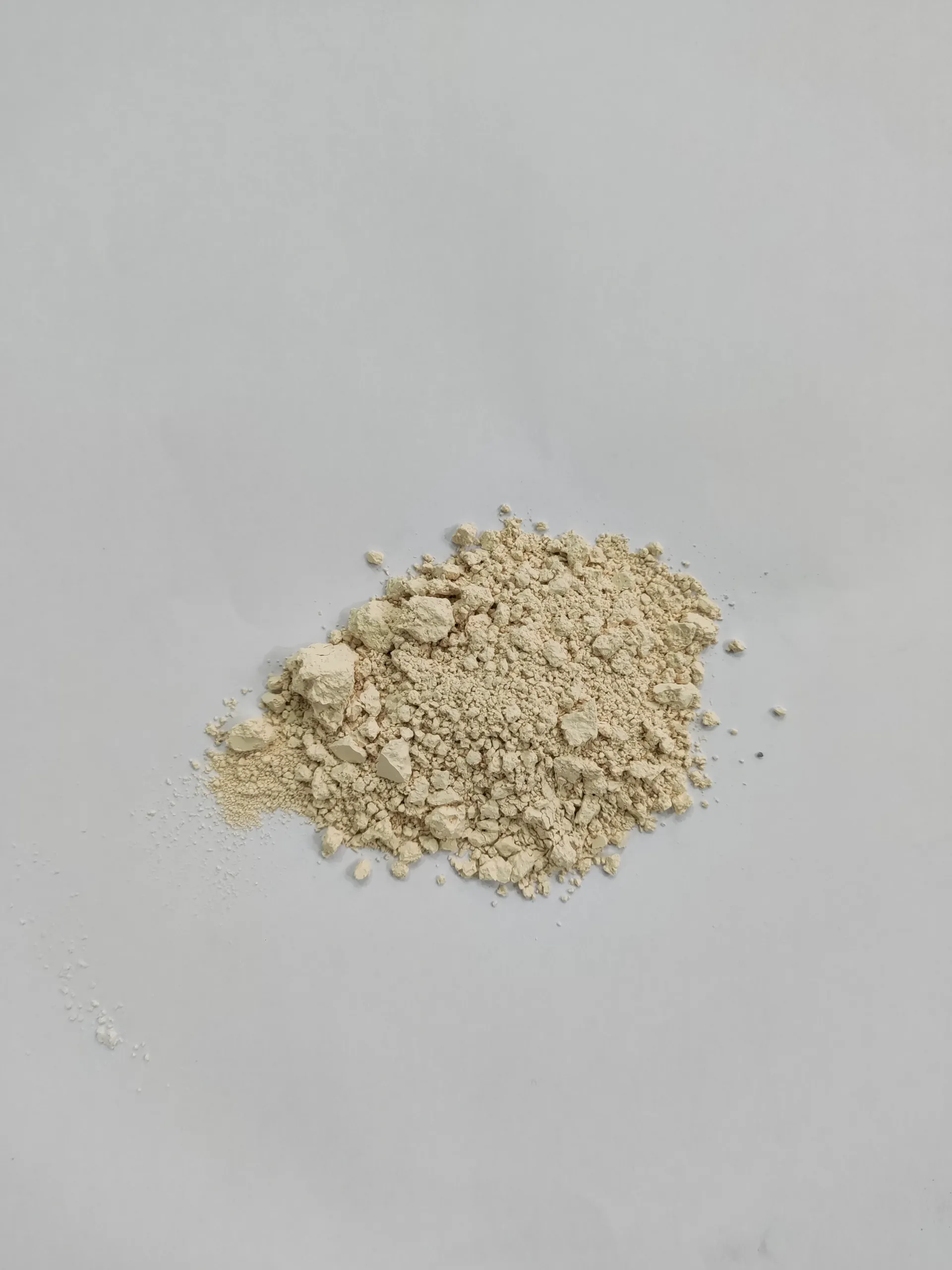](https://www.pomais.com/product/metalaxyl-15-propamocarb-10-wp-fungicide/)
[Metalaxyl 15% + Propamocarb 10% WP Fungicide](https://www.pomais.com/product/metalaxyl-15-propamocarb-10-wp-fungicide/)
[Metalaxyl 15% + Propamocarb 10% WP Fungicide](https://www.pomais.com/product/metalaxyl-15-propamocarb-10-wp-fungicide/)
- [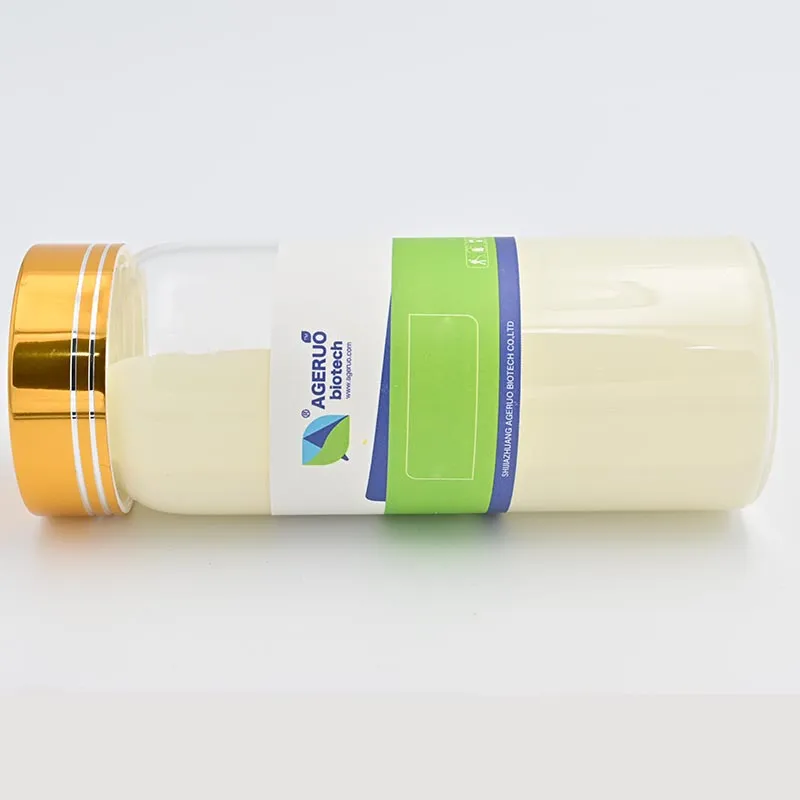](https://www.pomais.com/product/fluopicolide-10-benzisothiazolinone-6-sc/)
[Fluopicolide 10% + Benzisothiazolinone 6% SC](https://www.pomais.com/product/fluopicolide-10-benzisothiazolinone-6-sc/)
[Fluopicolide 10% + Benzisothiazolinone 6% SC](https://www.pomais.com/product/fluopicolide-10-benzisothiazolinone-6-sc/)
- [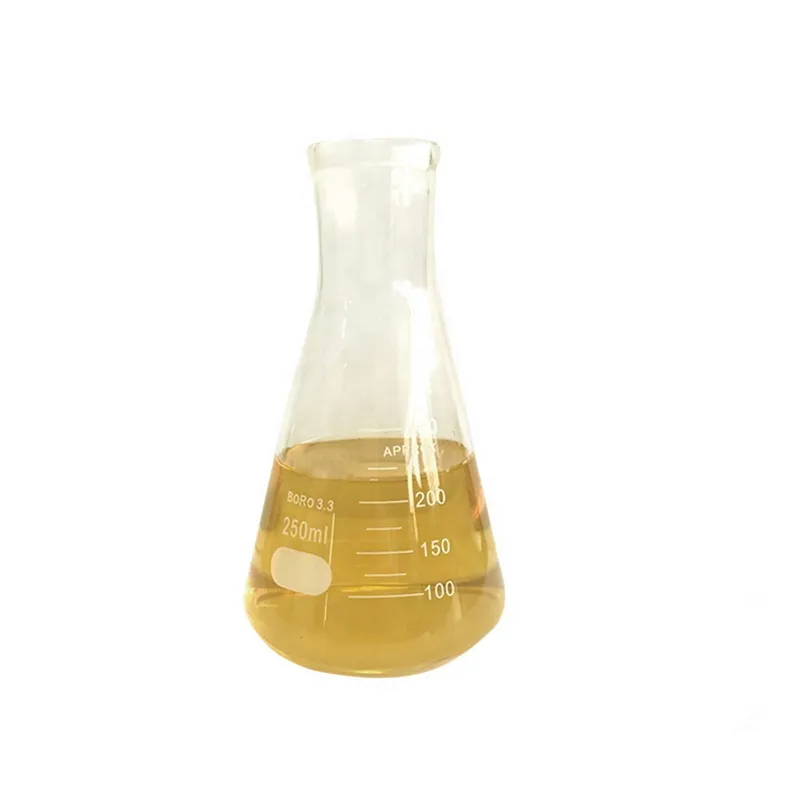](https://www.pomais.com/product/ethylicin-30-41-80-ec-fungicide/)
[Ethylicin 30%, 41%, 80% EC Fungicide](https://www.pomais.com/product/ethylicin-30-41-80-ec-fungicide/)
[Ethylicin 30%, 41%, 80% EC Fungicide](https://www.pomais.com/product/ethylicin-30-41-80-ec-fungicide/)
- [](https://www.pomais.com/product/boscalid-50-wdg-sdhi-fungicide/)
[Boscalid 50% WDG SDHI Fungicide](https://www.pomais.com/product/boscalid-50-wdg-sdhi-fungicide/)
[Boscalid 50% WDG SDHI Fungicide](https://www.pomais.com/product/boscalid-50-wdg-sdhi-fungicide/)
- [](https://www.pomais.com/product/triadimefon-25-wp-and-25-ec-systemic-fungicide/)
[Triadimefon 25% WP and 25% EC Systemic Fungicide](https://www.pomais.com/product/triadimefon-25-wp-and-25-ec-systemic-fungicide/)
[Triadimefon 25% WP and 25% EC Systemic Fungicide](https://www.pomais.com/product/triadimefon-25-wp-and-25-ec-systemic-fungicide/)
- [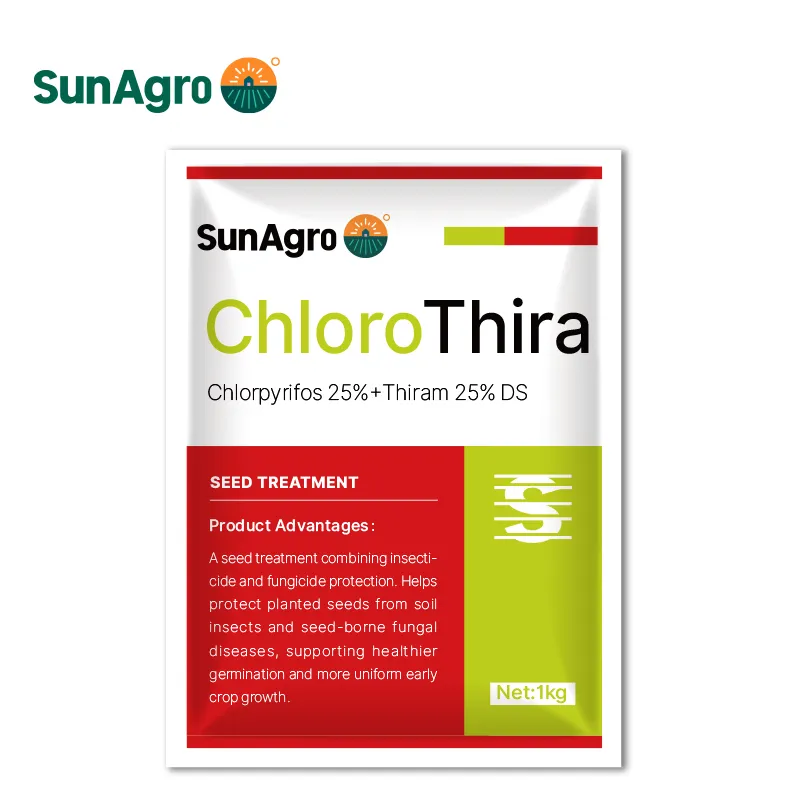](https://www.pomais.com/product/thiram-fungicide-50-wp-80-wp-80-wdg/)
[Thiram Fungicide 50% WP 80% WP 80% WDG](https://www.pomais.com/product/thiram-fungicide-50-wp-80-wp-80-wdg/)
[Thiram Fungicide 50% WP 80% WP 80% WDG](https://www.pomais.com/product/thiram-fungicide-50-wp-80-wp-80-wdg/)
- [](https://www.pomais.com/product/propineb-70-wp-contact-fungicide/)
[Propineb 70% WP Contact Fungicide](https://www.pomais.com/product/propineb-70-wp-contact-fungicide/)
[Propineb 70% WP Contact Fungicide](https://www.pomais.com/product/propineb-70-wp-contact-fungicide/)
- [](https://www.pomais.com/product/kasugamycin-bactericide-2-sl-2-wp/)
[Kasugamycin Bactericide 2% SL 2% WP](https://www.pomais.com/product/kasugamycin-bactericide-2-sl-2-wp/)
[Kasugamycin Bactericide 2% SL 2% WP](https://www.pomais.com/product/kasugamycin-bactericide-2-sl-2-wp/)
- [](https://www.pomais.com/product/chlorothalonil-fungicide-720-g-l-sc-75-wp/)
[Chlorothalonil Fungicide 720 g/L SC 75% WP](https://www.pomais.com/product/chlorothalonil-fungicide-720-g-l-sc-75-wp/)
[Chlorothalonil Fungicide 720 g/L SC 75% WP](https://www.pomais.com/product/chlorothalonil-fungicide-720-g-l-sc-75-wp/)
- [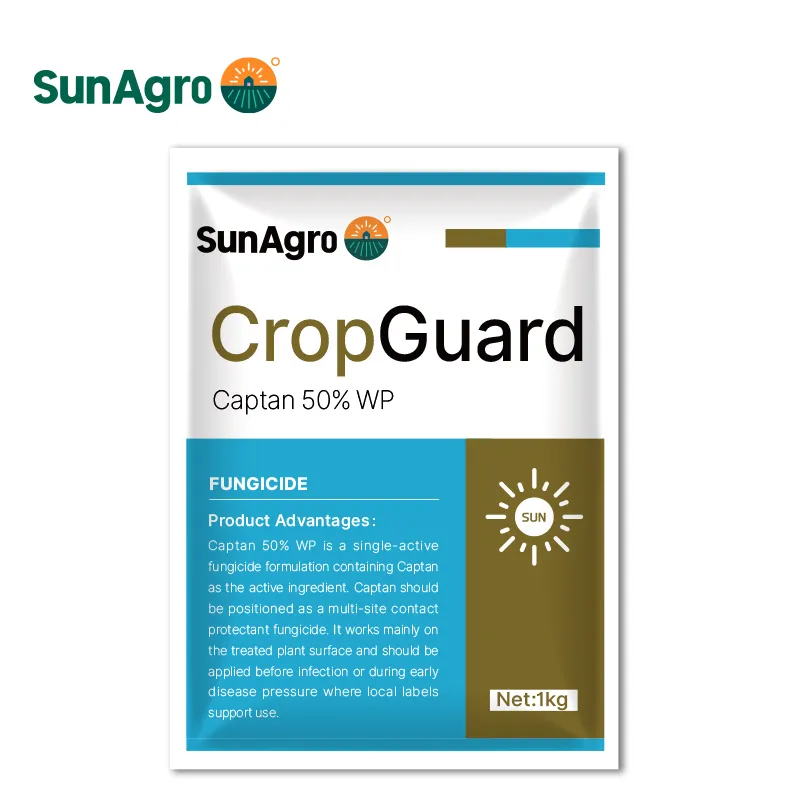](https://www.pomais.com/product/captan-fungicide-80-wdg-50-wp/)
[Captan Fungicide 80% WDG 50% WP](https://www.pomais.com/product/captan-fungicide-80-wdg-50-wp/)
[Captan Fungicide 80% WDG 50% WP](https://www.pomais.com/product/captan-fungicide-80-wdg-50-wp/)
- [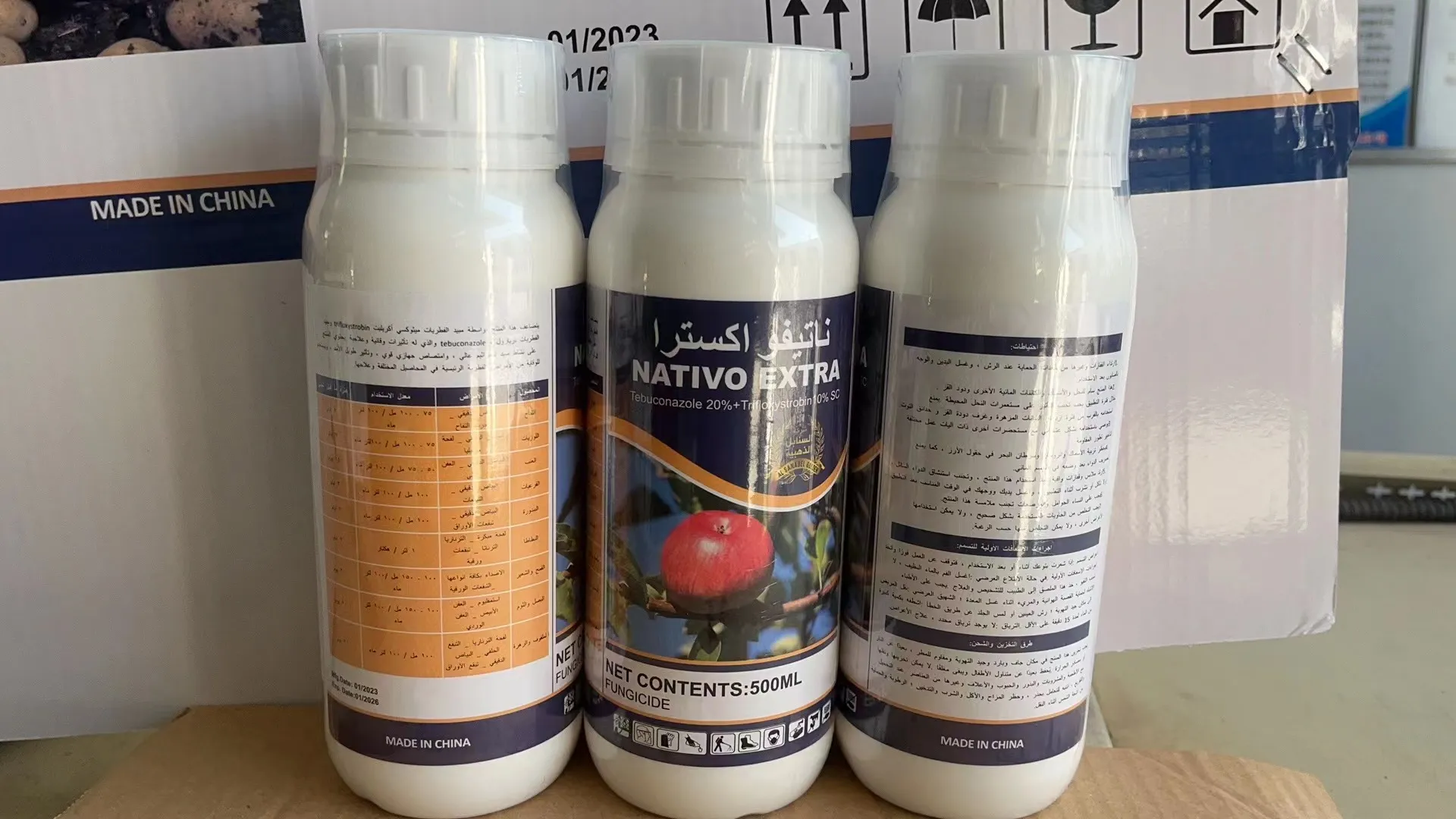](https://www.pomais.com/product/fluopyram-250-g-l-trifloxystrobin-250-g-l-sc-fungicide/)
[Fluopyram 250 g/L + Trifloxystrobin 250 g/L SC Fungicide](https://www.pomais.com/product/fluopyram-250-g-l-trifloxystrobin-250-g-l-sc-fungicide/)
[Fluopyram 250 g/L + Trifloxystrobin 250 g/L SC Fungicide](https://www.pomais.com/product/fluopyram-250-g-l-trifloxystrobin-250-g-l-sc-fungicide/)
## Disease-Control Product Supply
POMAIS supports different fungicide sourcing directions for importers, distributors, registration companies, wholesalers, and private-label brands.
### Standard Fungicides
Single-active formulations for established foliar, oomycete, seed, soil, and other disease-management markets.
### Combination Fungicides
Existing and selected combination products can be reviewed according to disease spectrum, active ingredient compatibility, formulation stability, FRAC-group relationship, and registration feasibility.
### Seed and Soil Disease Products
Selected seed-treatment and soil/root-zone formulations for planting-stage and early-establishment disease programs.
### Private Label and Technical Documents
Packaging, multilingual labels, COA, SDS/MSDS, TDS, specifications, and available registration-support materials can be discussed for the selected product.
[Explore Our OEM and Private Label Services](https://www.pomais.com/services/)
## Product Use and Regulatory Requirements
Crop scope, disease claims, application rates, timing, spray intervals, pre-harvest intervals, maximum application numbers, PPE, storage, disposal, and other use directions must follow the approved product label and destination-market regulations.
Registration differs by active ingredient, concentration, formulation, crop, pathogen, application method, and country.
A crop-disease claim approved in one market should not automatically be applied to another market.
The approved local label remains the final reference for commercial use.
## Frequently Asked Questions
#### What are the main types of crop diseases?
Important disease directions include true fungal diseases, oomycete diseases, bacterial diseases, viral diseases, and seed- or soil-borne disease complexes.
#### Why can similar symptoms require different products?
Leaf spots, wilting, root rot, yellowing, and seedling decline can have different causes. Product selection should therefore be based on the likely pathogen and crop rather than symptoms alone.
#### Are downy mildew and late blight fungal diseases?
They are commonly managed within fungicide programs, but their pathogens belong to the oomycetes rather than the true fungi.
#### How should a fungicide be selected?
Start with the crop, target pathogen, disease stage, disease pressure, mobility or positioning, FRAC group, formulation, resistance situation, and local registration.
#### What is a FRAC group?
A FRAC group classifies fungicides according to mode of action and resistance characteristics. The group number is a classification tool, not an efficacy ranking.
#### Can one fungicide control all crop diseases?
No. Different pathogen groups have different biological characteristics and sensitivity profiles, so no single fungicide should be positioned as a universal solution.
## Tell Us About Your Agrochemical Project
Looking for products for local distribution, private labeling, registration, or portfolio expansion?
Send us your company, destination country, required product, formulation, expected quantity, packaging requirements, and registration status.
Our sales and technical teams will check your product requirements, destination market and documentation needs before recommending suitable formulations.
[Pomais product list.pdf](https://www.pomais.com/wp-content/uploads/2026/03/Pomais-product-list.pdf)
[ICAMA LIST.pdf](https://www.pomais.com/wp-content/uploads/2026/03/ICAMA-LIST.pdf)
Please note that our products are not sold to individual users!
Purchase volume: L/KG
Please let us know your planned purchase volume so that we can provide an accurate quote!
You will receive a response from our market experts within 24 hours (workdays: Monday to Friday); please keep an eye on your email or WhatsApp!
×
Message failed! Contact me via WhatsApp or email!
×
Send Message
[](https://www.pomais.com/)
16+ years professional one-stop agricultural plant protection solution provider
[Facebook](https://www.facebook.com/Pesticide2/) [X](https://x.com/Karen13468809) [Instagram](https://www.instagram.com/pomais_agrochemicals/) [LinkedIn](https://www.linkedin.com/company/pomais-agrochemicals/?viewAsMember=true) [YouTube](https://www.youtube.com/@Pomais-Agrochemicals)
Product
Services
Contact Us
[info@sunagros.com](mailto:info@sunagros.com)
[WhatsApp](https://wa.me/8619930546995)
**ADDRESS**
Room 1907, Baichuan Building-West, Chang’an District, Shijiazhuang City, Hebei Province, China
CopyRight © 2024 – 2026 Hebei SunAgro Agroscience Technology Co., Ltd. All Rights Reserved. Consent Preferences
Toggle Sliding Bar Area
Page load link
[Link to #awb-oc\_\_10593](#awb-oc__10593) [Link to mailto:info@sunagros.com](mailto:info@sunagros.com)
Chat with market experts!
Please note that our products are not sold to individual users!
Purchase volume: L/KG \*
You will receive a response from our market experts within 24 hours (workdays: Monday to Friday); please keep an eye on your email or WhatsApp!
×
Message failed! Contact me via WhatsApp or email!
×
Send Message
Go to Top
```json
{"@context":"https://schema.org","@graph":[{"@type":"BreadcrumbList","@id":"https://www.pomais.com/solution/disease-solutions/#breadcrumb","itemListElement":[{"@type":"ListItem","position":"1","item":{"@id":"https://www.pomais.com","name":"POMAIS"}},{"@type":"ListItem","position":"2","item":{"@id":"https://www.pomais.com/solution/","name":"Solution"}},{"@type":"ListItem","position":"3","item":{"@id":"https://www.pomais.com/solution/disease-solutions/","name":"Crop Disease Management Solutions"}}]}]}
```